0%
Reading Progress
Scroll to track your progress
1. What is Smile Correction?
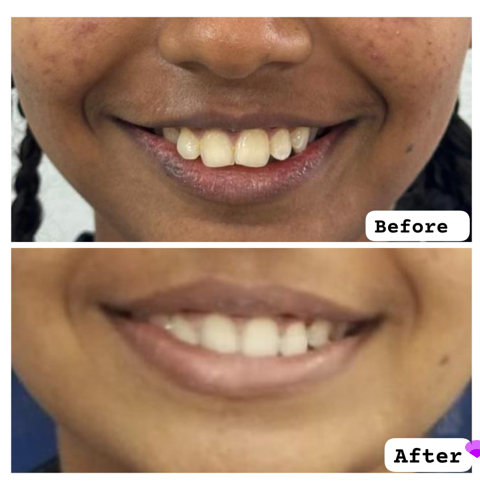
Smile correction refers to a variety of dental treatments designed to improve the appearance, alignment, and function of your teeth and smile. Treatment plans are customized according to an individual's dental condition and aesthetic goals.
2. Who needs Smile Correction?
Smile correction may be recommended for individuals who have:
Crooked or misaligned teeth
Gaps between teeth
Overcrowded teeth
Overbite, underbite, or crossbite
Uneven teeth
Discolored or damaged teeth
Low self-confidence due to smile appearance
3. What are the most common Smile Correction treatments?
Clear Aligners
Clear aligners are transparent, removable trays that gradually move teeth into the desired position. They are comfortable, nearly invisible, and suitable for many alignment issues.
Dental Braces
Traditional braces are highly effective for correcting complex alignment and bite problems. Modern braces are more comfortable and aesthetically appealing than ever before.
Dental Veneers
Veneers are thin, custom-made shells placed over the front surface of teeth to improve their shape, size, color, and overall appearance.
Teeth Whitening
Professional teeth whitening treatments help remove stains and discoloration, resulting in a brighter and more youthful-looking smile.
Dental Crowns and Bonding
Crowns and bonding procedures are used to restore chipped, broken, worn, or damaged teeth while enhancing their appearance and function.
4. What are the benefits of Smile Correction?
Improved Confidence
A healthy and attractive smile can boost self-esteem and confidence in social and professional situations.
Better Oral Health
Properly aligned teeth are easier to clean, reducing the risk of plaque buildup, cavities, and gum disease.
Enhanced Functionality
Smile correction can improve chewing, speaking, and overall dental performance.
Long-Term Dental Health
Correcting bite and alignment issues can help prevent excessive tooth wear, jaw discomfort, and other future dental problems.
5. Can adults undergo Smile Correction?
Yes. Smile correction is suitable for both teenagers and adults. Many adults choose treatments such as clear aligners, veneers, and whitening to improve their smiles.
6. How do I know which Smile Correction treatment is right for me?
A dental consultation is the best way to determine the most suitable treatment. Your dentist will assess your teeth, bite, oral health, and aesthetic goals before recommending a personalized treatment plan.
7. What is involved in the Smile Correction process?
The smile correction process typically includes:
Comprehensive dental examination
Digital smile assessment
Personalized treatment planning
Active treatment phase
Follow-up care and maintenance
8. How long does Smile Correction take?
The duration varies depending on the complexity of the case and the treatment chosen. Some procedures, such as teeth whitening, can be completed in a single visit, while orthodontic treatments may take several months to years.
9. Is Smile Correction painful?
Most smile correction treatments involve minimal discomfort. Modern dental technologies and techniques are designed to ensure patient comfort throughout the treatment process.
10. Why should I consider Smile Correction?
Smile correction not only enhances the appearance of your smile but also improves oral health, dental function, and overall confidence, helping you achieve a healthy and beautiful smile.
Conclusion
Your smile is one of your most valuable assets. Whether you're dealing with crooked teeth, gaps, discoloration, or other cosmetic concerns, smile correction treatments can help you achieve a confident, healthy, and beautiful smile. Consult a qualified dental professional to explore the best options for your unique needs and take the first step toward your dream smile.