0%
Reading Progress
Scroll to track your progress
Heart Attack
What Is Myocardial Infarction?
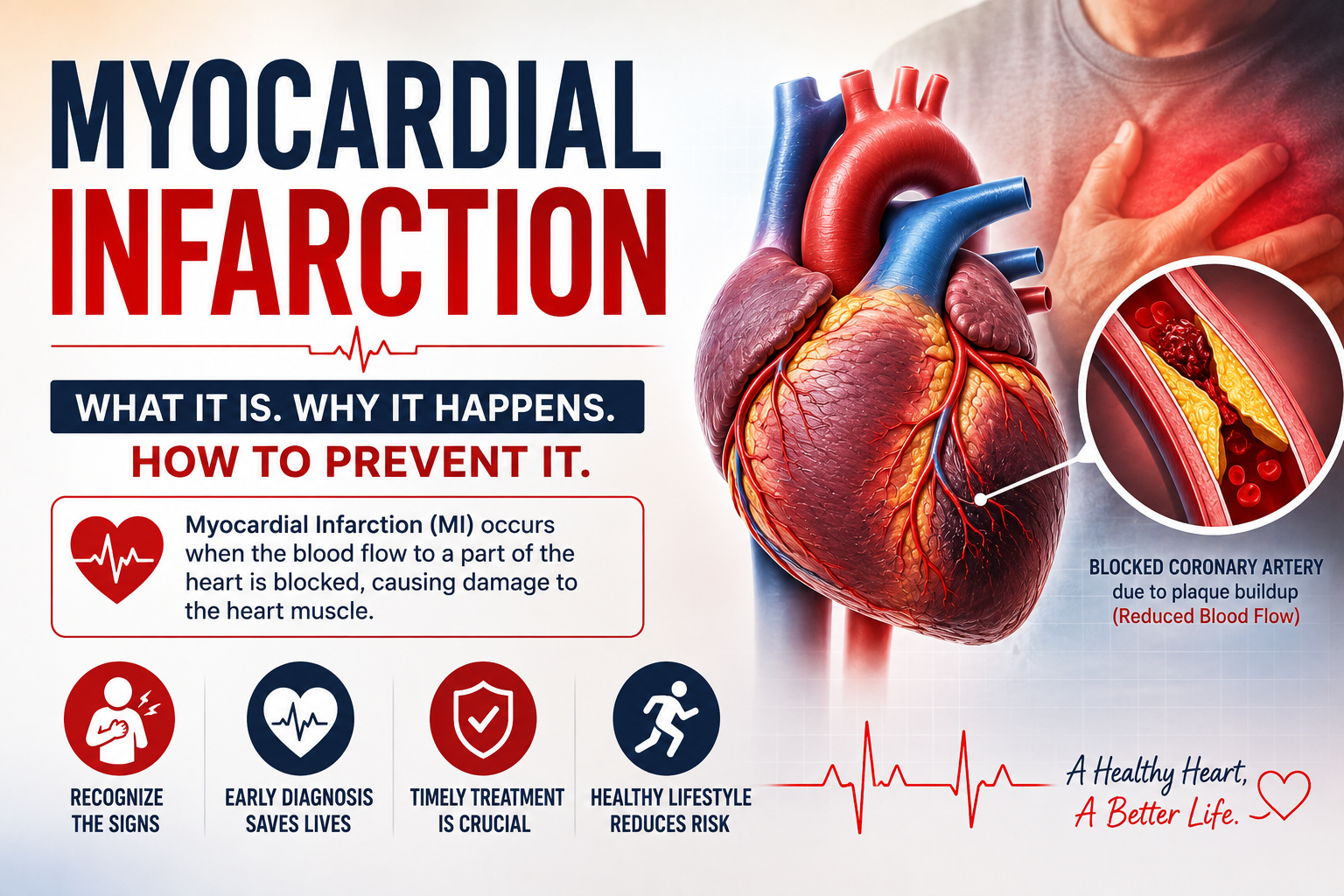
Myocardial infarction (MI), commonly known as a heart attack, is a serious medical emergency that occurs when blood flow to a part of the heart muscle is blocked. Without enough oxygen, the affected heart muscle begins to get damaged. Immediate medical treatment is essential to reduce complications and save heart function.
Why Does a Heart Attack Happen?
The most common cause of a heart attack is the buildup of fatty deposits (plaque) inside the coronary arteries. When a plaque ruptures, a blood clot can form and block blood flow to the heart muscle.
Common Causes
Coronary artery disease (blocked heart arteries)
Blood clot blocking a coronary artery
Coronary artery spasm (sudden narrowing of the artery)
Rarely, trauma or certain medical conditions affecting blood flow.
Risk Factors
Some factors increase the risk of developing a heart attack:
High blood pressure
Diabetes
High cholesterol
Smoking or tobacco use
Obesity
Physical inactivity
Unhealthy diet
Stress
Excessive alcohol consumption
Family history of heart disease
Increasing age
Symptoms of Myocardial Infarction
Symptoms can vary from person to person.
Chest pain, pressure, tightness, or heaviness
Pain spreading to the left arm, shoulder, neck, jaw, or back
Shortness of breath
Cold sweating
Nausea or vomiting
Dizziness or fainting
Unusual fatigue, especially in women
Indigestion-like discomfort
Important: If you or someone nearby experiences these symptoms, seek emergency medical care immediately. Early treatment can save lives.
How Is a Heart Attack Diagnosed?
Doctors may use:
Medical history and physical examination
Electrocardiogram (ECG)
Blood tests (cardiac enzymes such as troponin)
Echocardiogram
Coronary angiography
Cardiac CT or MRI in selected cases
Treatment Options
Treatment depends on the severity and timing of the heart attack.
Medications
Antiplatelet medicines
Blood thinners
Clot-dissolving medicines (in selected cases)
Nitroglycerin
Beta-blockers
ACE inhibitors or ARBs
Statins
Procedures
Primary angioplasty (PCI) with stent placement
Coronary artery bypass graft (CABG) surgery when needed
Recovery After a Heart Attack
Recovery involves lifestyle changes and regular follow-up.
Take medicines exactly as prescribed.
Attend cardiac rehabilitation if recommended.
Eat a heart-healthy diet.
Exercise regularly after your doctor's approval.
Stop smoking.
Control blood pressure, diabetes, and cholesterol.
Manage stress.
Keep follow-up appointments.
Frequently Asked Questions (FAQs)
1. Is a heart attack the same as cardiac arrest?
No. A heart attack is caused by blocked blood flow to the heart muscle, while cardiac arrest is when the heart suddenly stops beating effectively.
2. Can young adults have a heart attack?
Yes. Although more common in older adults, heart attacks can occur in younger people, especially those with risk factors such as smoking, diabetes, obesity, or a strong family history.
3. Can women have different symptoms?
Yes. Women may experience fatigue, nausea, shortness of breath, or jaw and back pain instead of classic chest pain.
4. Can a Heart Attack Be Prevented?
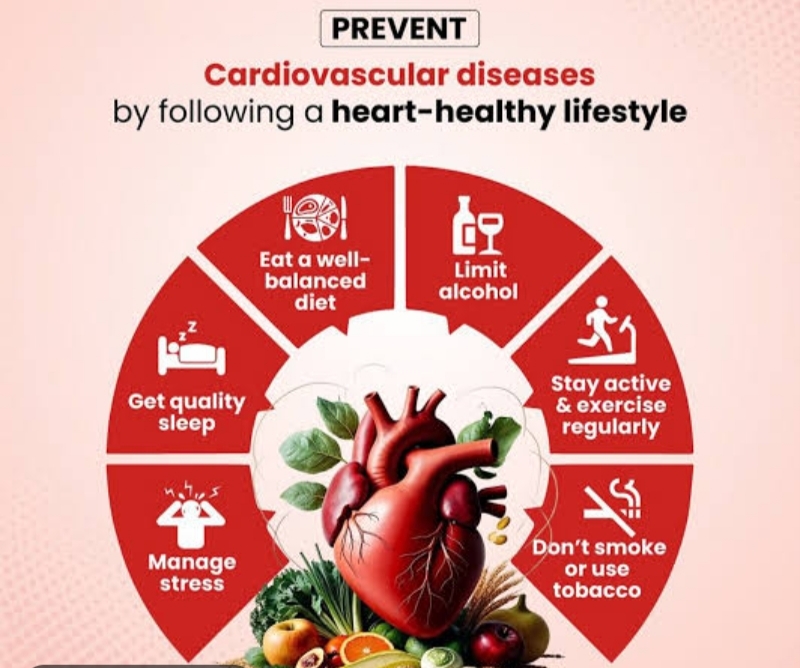
Yes. Healthy habits can significantly reduce the risk.
Eat more fruits, vegetables, whole grains, and lean proteins.
Limit salt, sugar, and unhealthy fats.
Exercise for at least 150 minutes each week.
Maintain a healthy body weight.
Avoid smoking and tobacco.
Limit alcohol intake.
Get regular health check-ups.
Manage diabetes, blood pressure, and cholesterol.
5. When Should You Seek Emergency Help?
Call emergency medical services immediately if you have:
Chest pain lasting more than a few minutes
Chest pain with sweating or breathlessness
Pain spreading to the arm, jaw, or back
Sudden collapse or loss of consciousness
Do not ignore these symptoms or try to drive yourself to the hospital if emergency medical services are available.
6. Can a heart attack be cured?
Prompt treatment can restore blood flow and reduce heart damage, but long-term care and lifestyle changes are essential.
7. How long does recovery take?
Recovery varies depending on the severity of the heart attack and overall health. Many people gradually resume normal activities within weeks, under medical guidance.
Conclusion
A myocardial infarction is a life-threatening emergency that requires immediate treatment. Recognizing the warning signs early and seeking prompt medical care can save lives. Adopting a healthy lifestyle, controlling risk factors, and attending regular medical check-ups are the best ways to protect your heart.
AI Generated
Verified and approved by
Ms.Siddiq nisha U. B.Sc (Nursing)
Dr.Karthikeyan S.MBBS.,