From OPD queue management to patient booking workflows, the MediBook blog shares practical guidance for hospitals, clinics, labs and diagnostic centres looking to run a smoother, more connected front desk — alongside product updates and stories from the team building MediBook.
Product Updates
New features across appointments, queueing, labs and pharmacy.
Healthcare Insights
Practical ideas for reducing wait times and digitising OPD operations.
Customer Stories
How hospitals and clinics use MediBook to serve patients better.

Cervical Cancer Screening: “A simple screening test today can make a life-saving difference tomorrow.”
Introduction Cervical cancer screening is a medical test used to identify changes in the cells of the cervix before they develop into cancer. The cervix is the lower part of the uterus that connects to the vagina. Most cases of cervical cancer are associated with persistent infection with high-risk human papillomavirus (HPV). Regular screening helps detect HPV infections or abnormal cervical cells early, allowing timely treatment and reducing the risk of cervical cancer.
Latest Stories
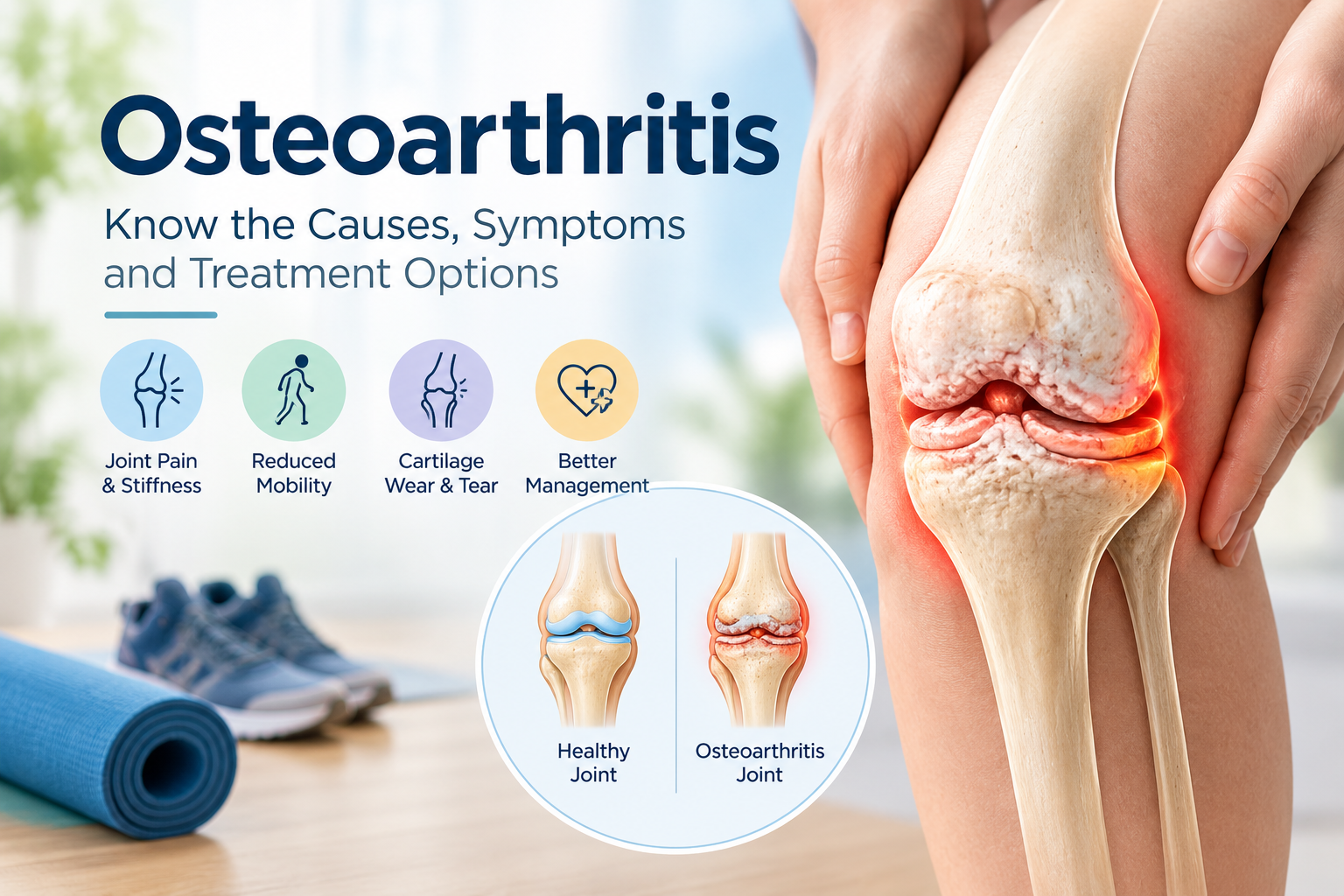
Osteoarthritis
Introduction Osteoarthritis is a common joint condition that occurs when the protective cartilage at the ends of bones gradually wears down. This can cause joint pain, stiffness, swelling, and difficulty moving. It commonly affects the knees, hips, hands, and spine. Although osteoarthritis is more common in older adults, it can affect people of different ages.
Read more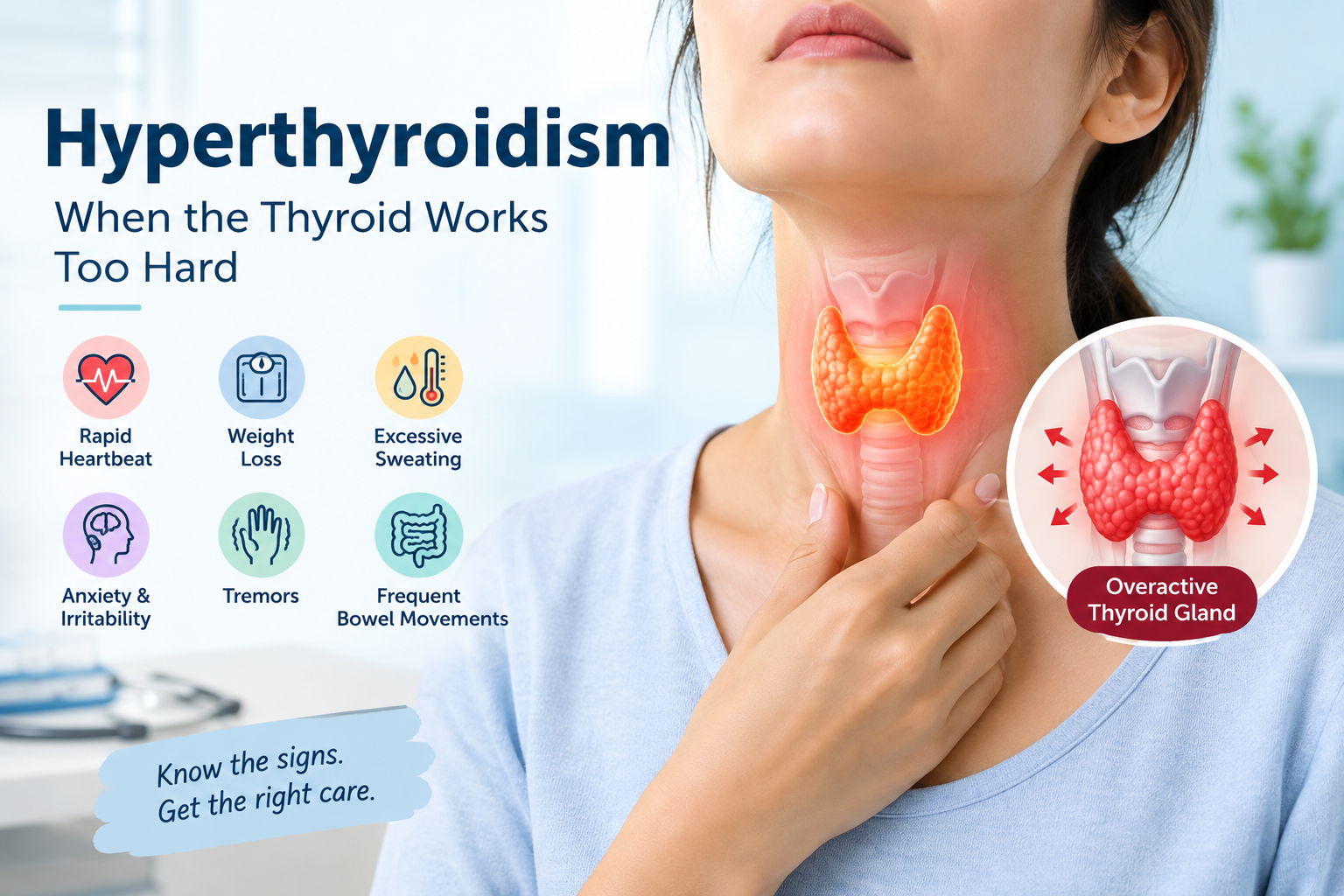
Hyperthyroidism
Introduction Hyperthyroidism is a condition in which the thyroid gland produces too much thyroid hormone. These hormones regulate the body’s metabolism, heart rate, temperature, and many other functions. When thyroid hormone levels become excessively high, the body’s processes speed up, causing symptoms such as weight loss, rapid heartbeat, anxiety, sweating, and increased bowel movements. Hyperthyroidism can affect people of any age, but it is more common in women.
Read more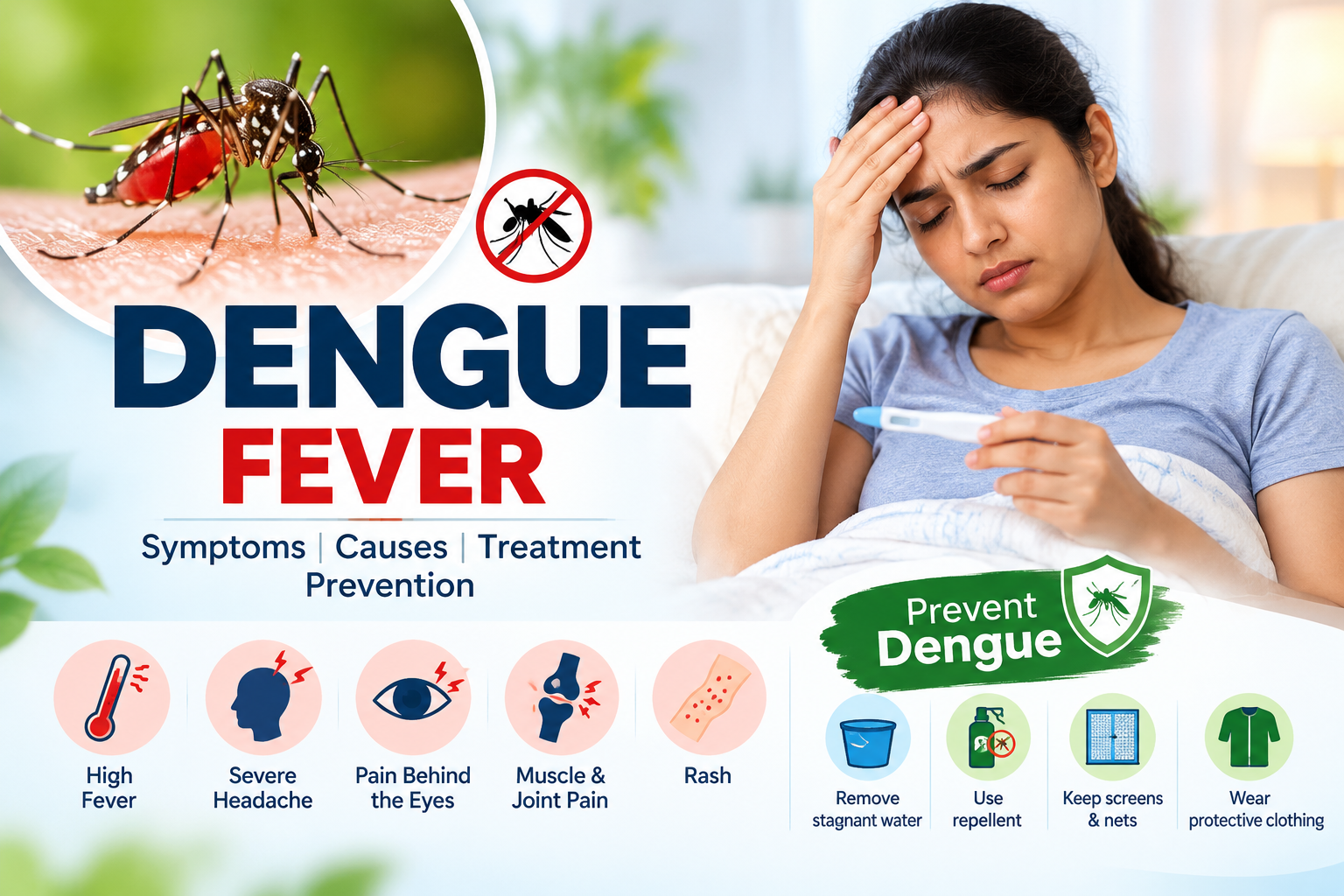
Dengue Fever
Introduction Dengue fever is a viral infection transmitted mainly through the bite of infected Aedes mosquitoes. It is common in tropical and subtropical regions, including India. Dengue can range from a mild illness with fever and body pain to a severe condition that can cause bleeding, shock, and organ complications. Early recognition of warning signs and timely medical care are important to prevent serious complications.
Read more
Dehydration
Introduction Dehydration occurs when the body loses more fluids than it takes in. Since water is essential for maintaining blood circulation, body temperature, digestion, and normal organ function, even mild dehydration can affect how the body works. Dehydration can happen due to excessive sweating, vomiting, diarrhea, fever, inadequate fluid intake, or prolonged exposure to heat.
Read more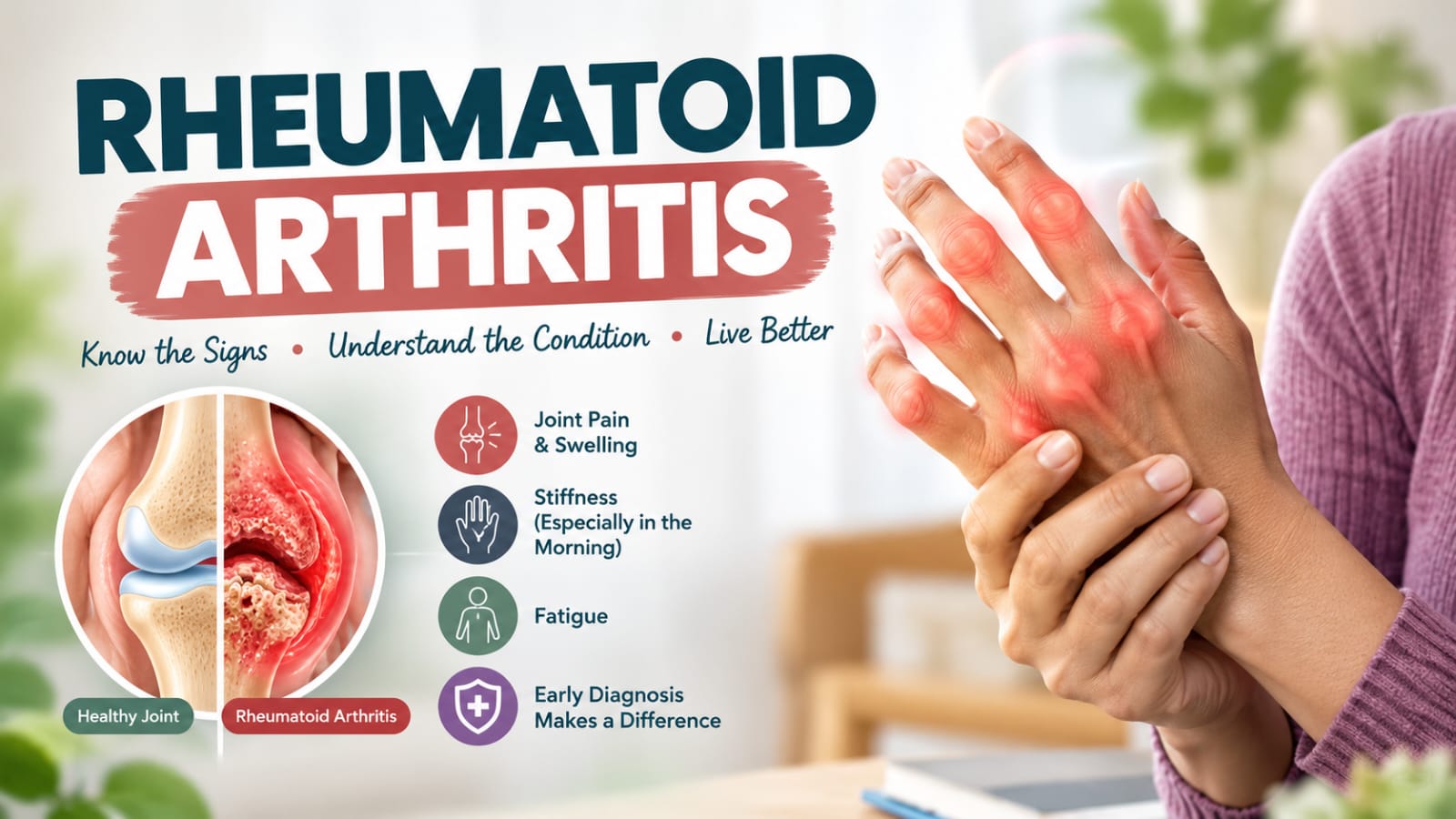
Rheumatoid Arthritis
Introduction Rheumatoid arthritis (RA) is a chronic autoimmune disease that mainly affects the joints. It occurs when the immune system mistakenly attacks the body's own tissues, causing inflammation in the lining of the joints. Over time, persistent inflammation can damage cartilage, bones, and surrounding tissues. Rheumatoid arthritis commonly affects the hands, wrists, feet, knees, and other joints. Unlike osteoarthritis, which is mainly caused by wear and tear, rheumatoid arthritis is an autoimmune condition and can affect other organs as well.
Read more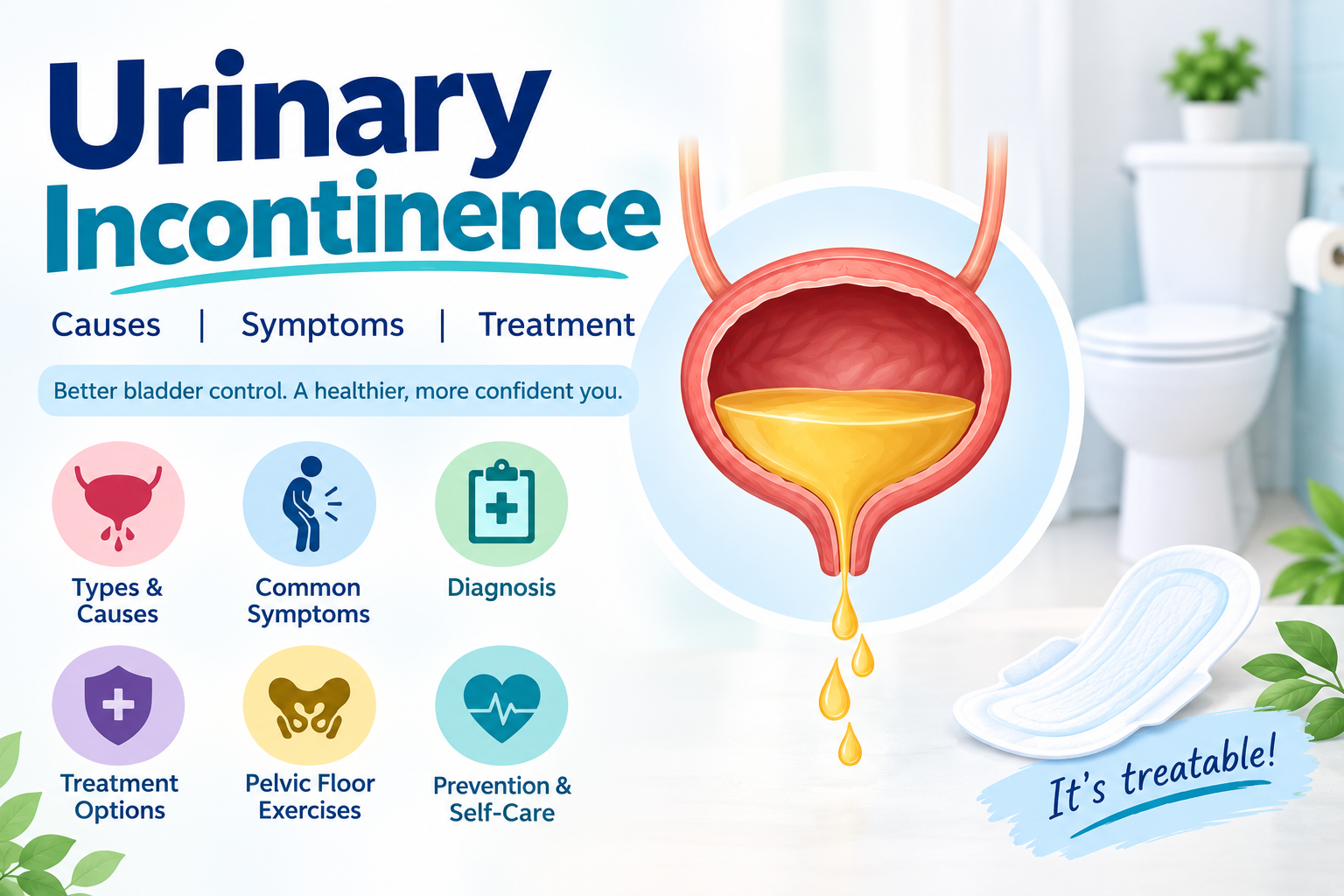
Urinary Incontinence
Introduction Urinary incontinence is the involuntary leakage of urine. It is a common condition that can affect women and men of any age, although it becomes more common with increasing age. Urine leakage may occur when coughing, sneezing, exercising, suddenly feeling the urge to urinate, or even without warning. Although urinary incontinence can be embarrassing, it is a medical condition that can often be managed or treated successfully. Early evaluation can help identify the underlying cause and appropriate treatment.
Read more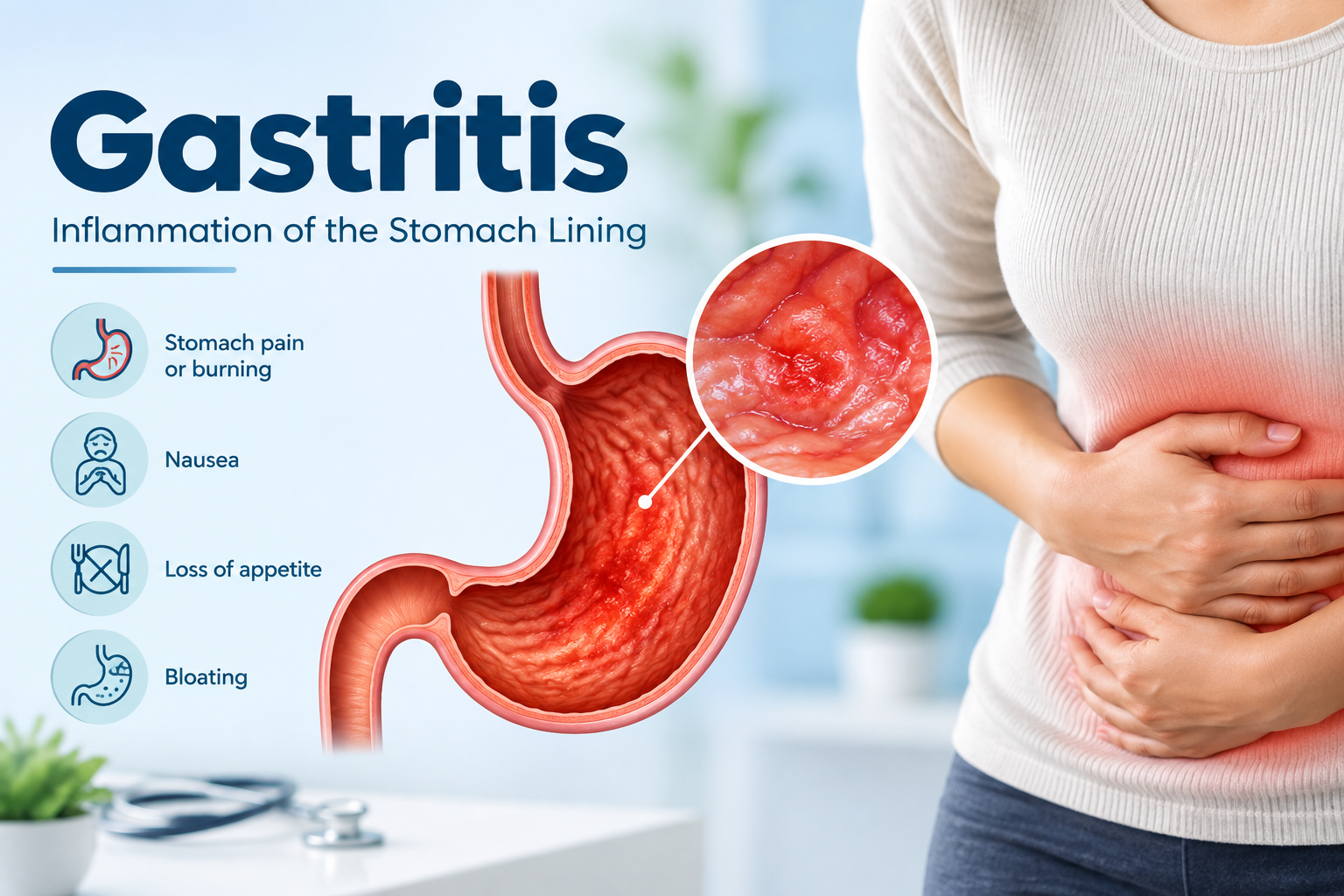
Gastritis
Introduction Gastritis is a condition in which the lining of the stomach becomes inflamed or irritated. It can develop suddenly (acute gastritis) or gradually over time (chronic gastritis). Gastritis may cause stomach discomfort, nausea, bloating, and indigestion. In some people, it may not cause any noticeable symptoms. Gastritis can have several causes, including infection with Helicobacter pylori (H. pylori), long-term use of certain painkillers, excessive alcohol consumption, and physical stress on the body.
Read more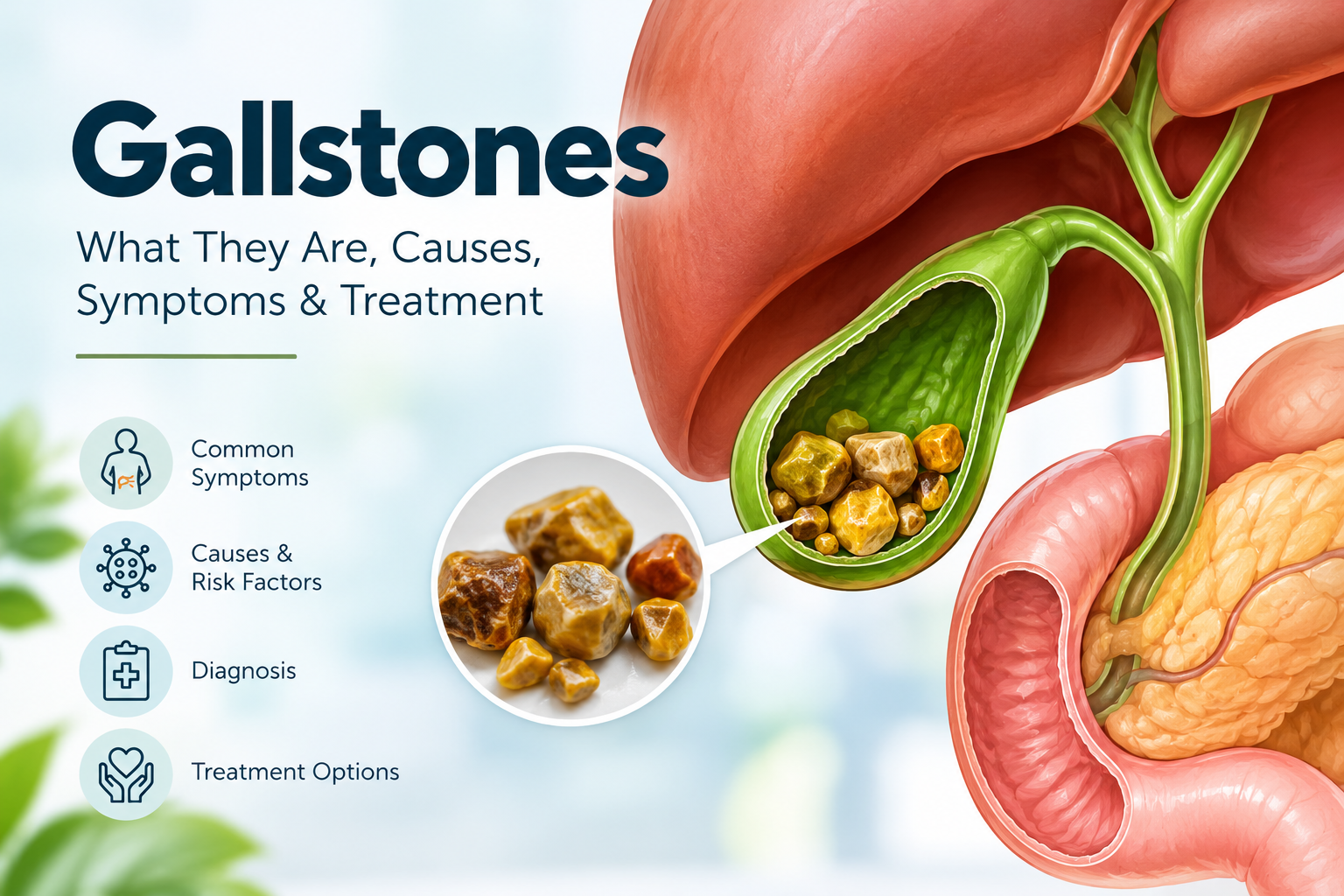
Gallstones
Introduction Gallstones are hard, stone-like deposits that develop inside the gallbladder. The gallbladder is a small, pear-shaped organ located beneath the liver. It stores and releases bile, a digestive fluid that helps the body digest fats. Gallstones can be as small as grains of sand or as large as a golf ball. Some people have gallstones without experiencing any symptoms, while others may develop severe abdominal pain and digestive problems when a stone blocks the bile ducts.
Read more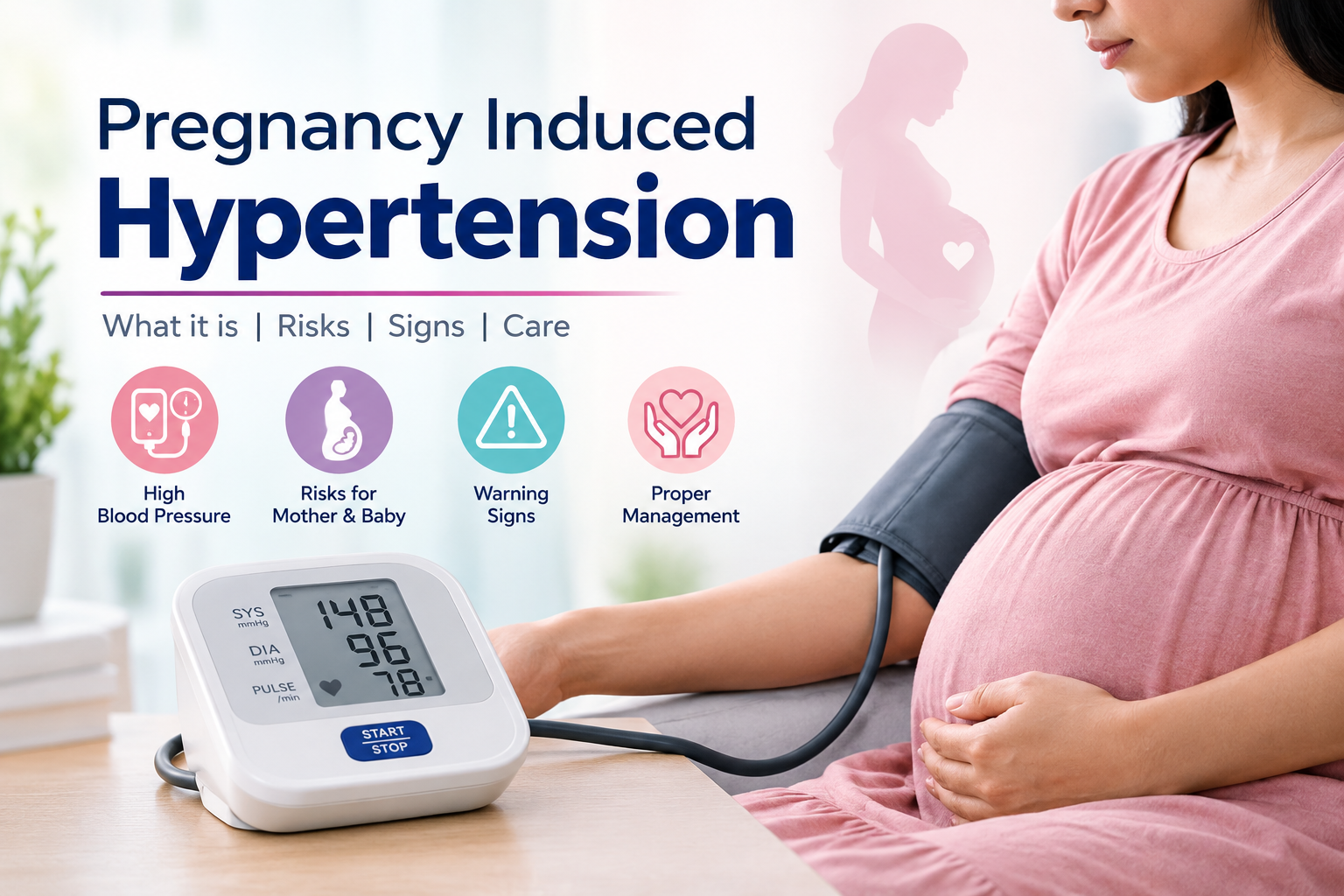
Pregnancy-Induced Hypertension (PIH)
Introduction Pregnancy-Induced Hypertension (PIH) is high blood pressure that develops during pregnancy, usually after 20 weeks of gestation, in women who previously had normal blood pressure. It is one of the most common complications of pregnancy and requires careful monitoring to protect the health of both the mother and the baby. Early diagnosis and proper treatment can help prevent serious complications and ensure a safer pregnancy and delivery.
Read more
Migraine
Introduction Migraine is a common neurological condition that causes recurrent headaches, often accompanied by symptoms such as nausea, vomiting, and sensitivity to light and sound. Migraine attacks can last for hours or even days and may significantly affect daily activities and quality of life. Early diagnosis and proper management can help reduce the frequency and severity of migraine episodes.
Read more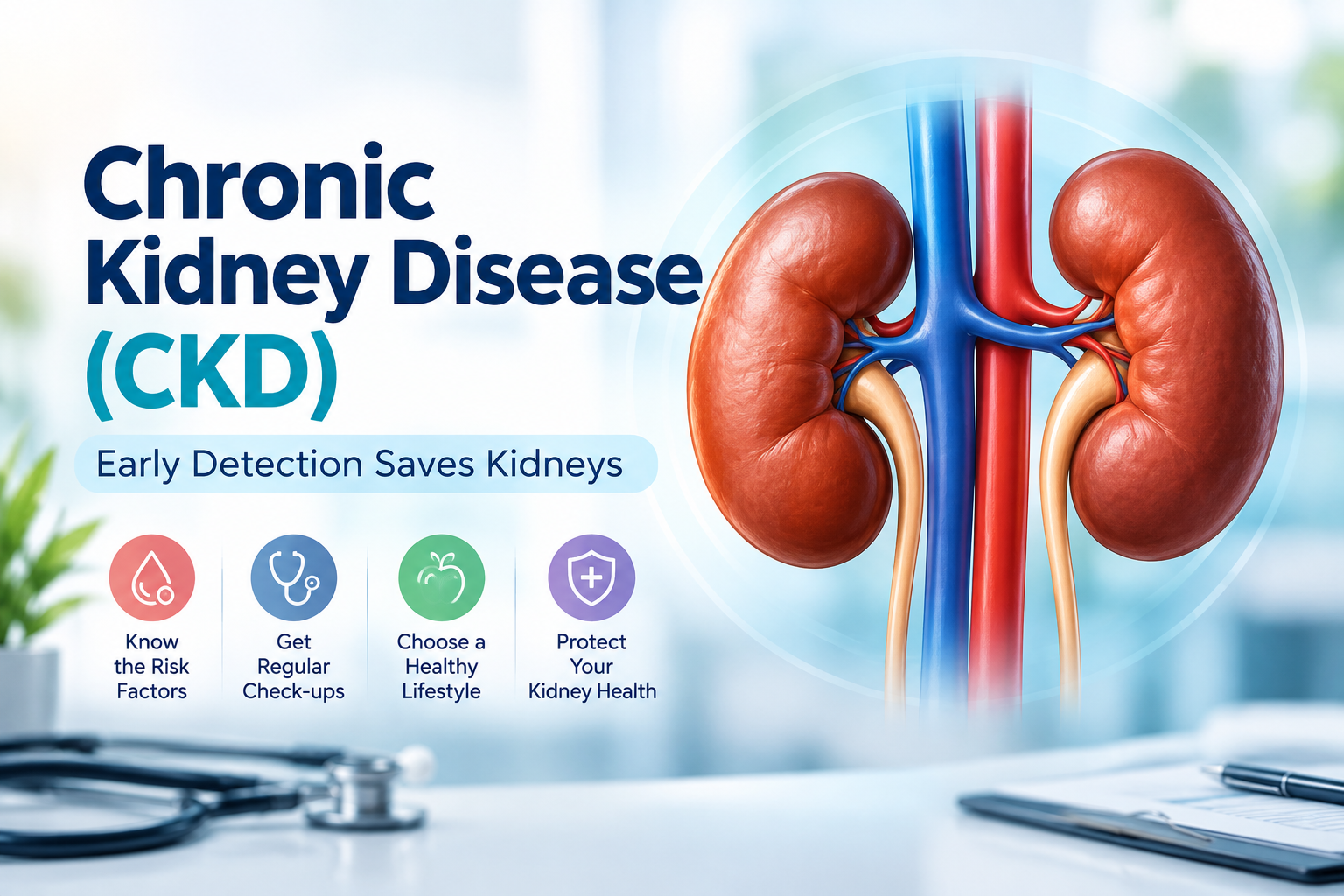
Chronic Kidney Disease (CKD): "Healthy kidneys, healthier life—protect them before problems begin.”
Introduction Chronic Kidney Disease (CKD), also known as Chronic Renal Disease, is a progressive condition in which the kidneys gradually lose their ability to filter waste products and excess fluids from the blood. The disease develops slowly over time and often goes unnoticed in its early stages because symptoms may not appear until significant kidney damage has occurred. Diabetes and high blood pressure are the leading causes of CKD worldwide. Early diagnosis, regular monitoring, and appropriate treatment can help slow the progression of the disease, prevent complications, and improve overall quality of life.
Read more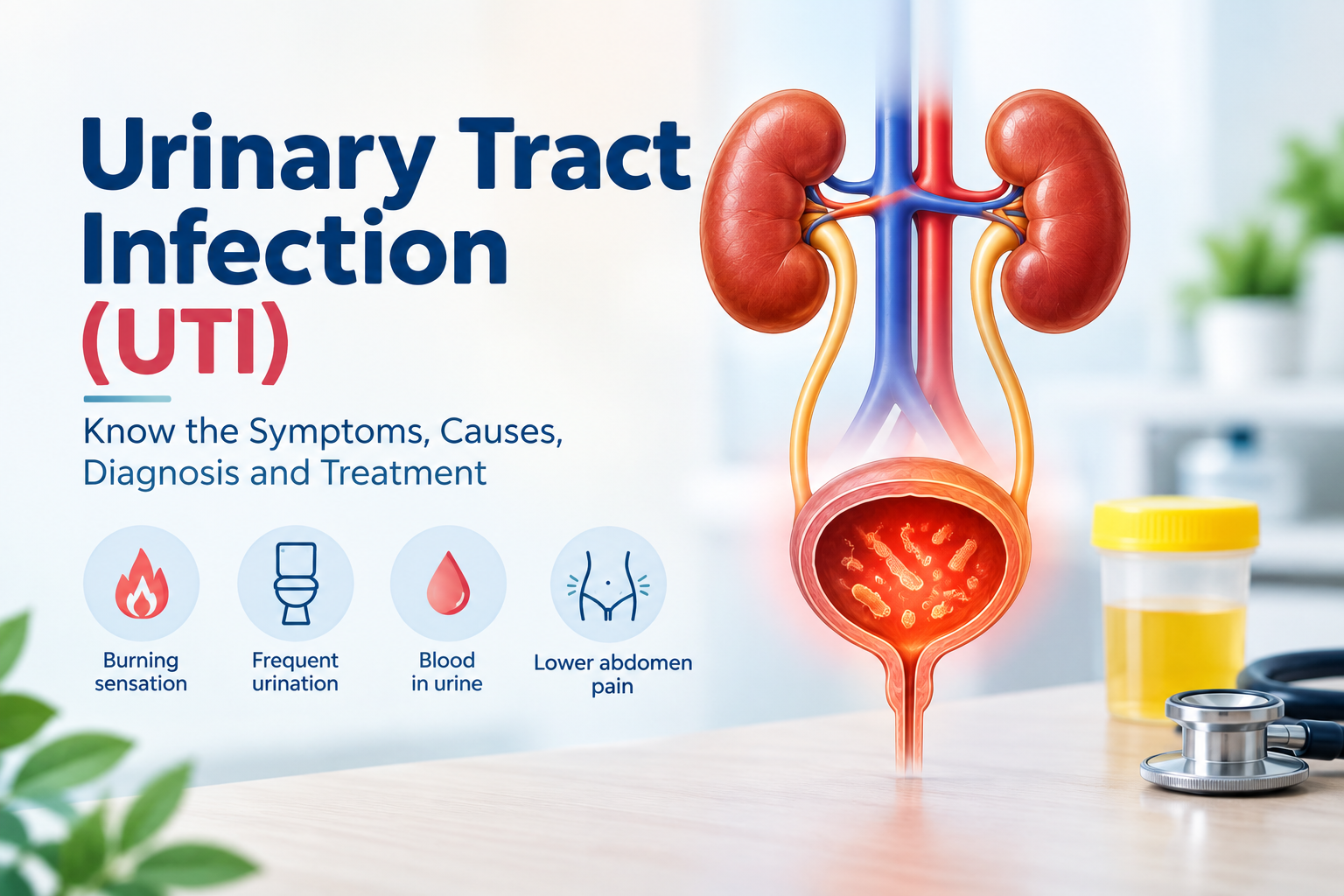
Urinary Tract Infection (UTI)
Urinary Tract Infection
Read more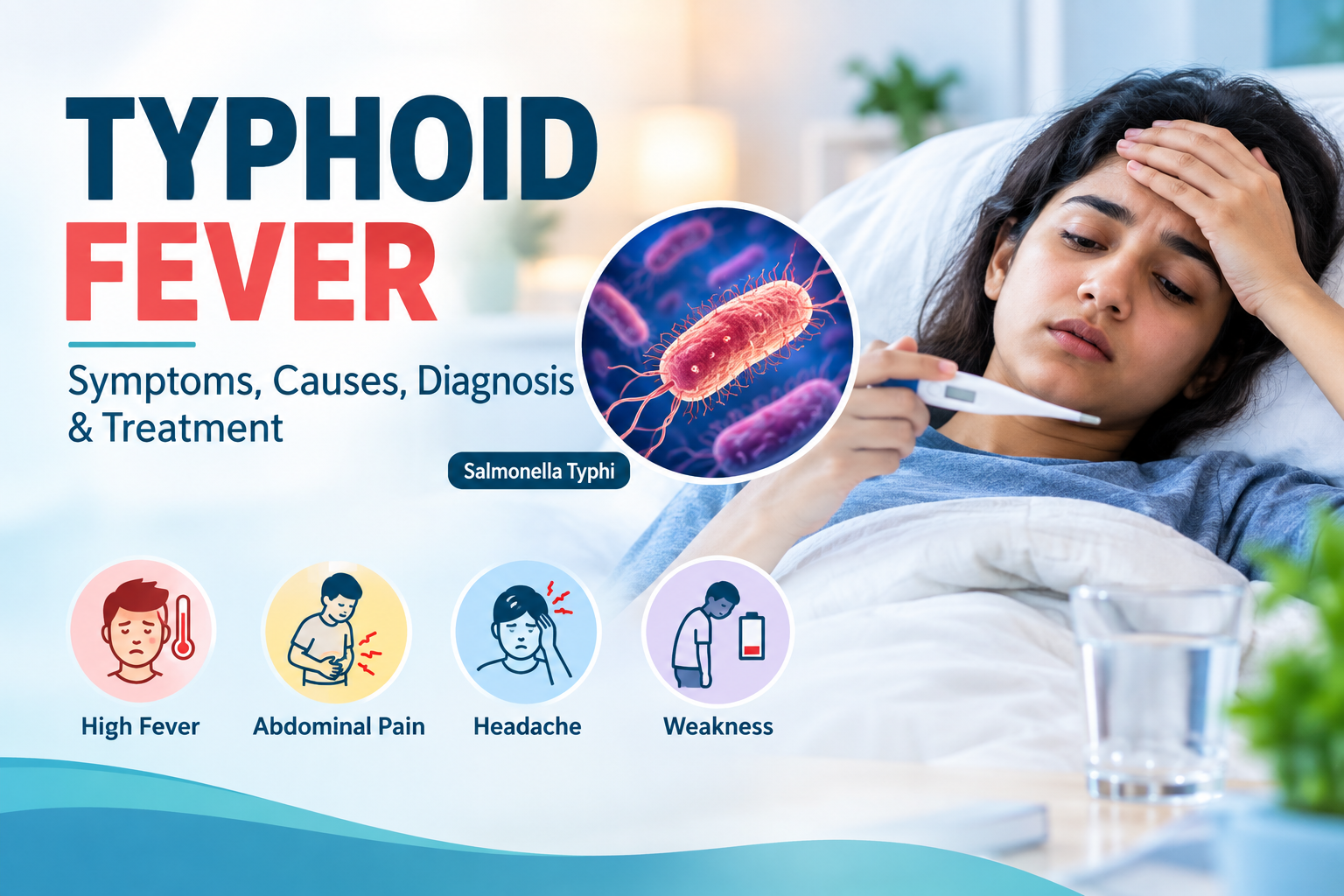
Typhoid Fever (Enteric Fever)
Typhoid Fever
Read more
Common Cold and Flu
Common Cold and Flu
Read more
Varicose Veins
Varicose Veins
Read more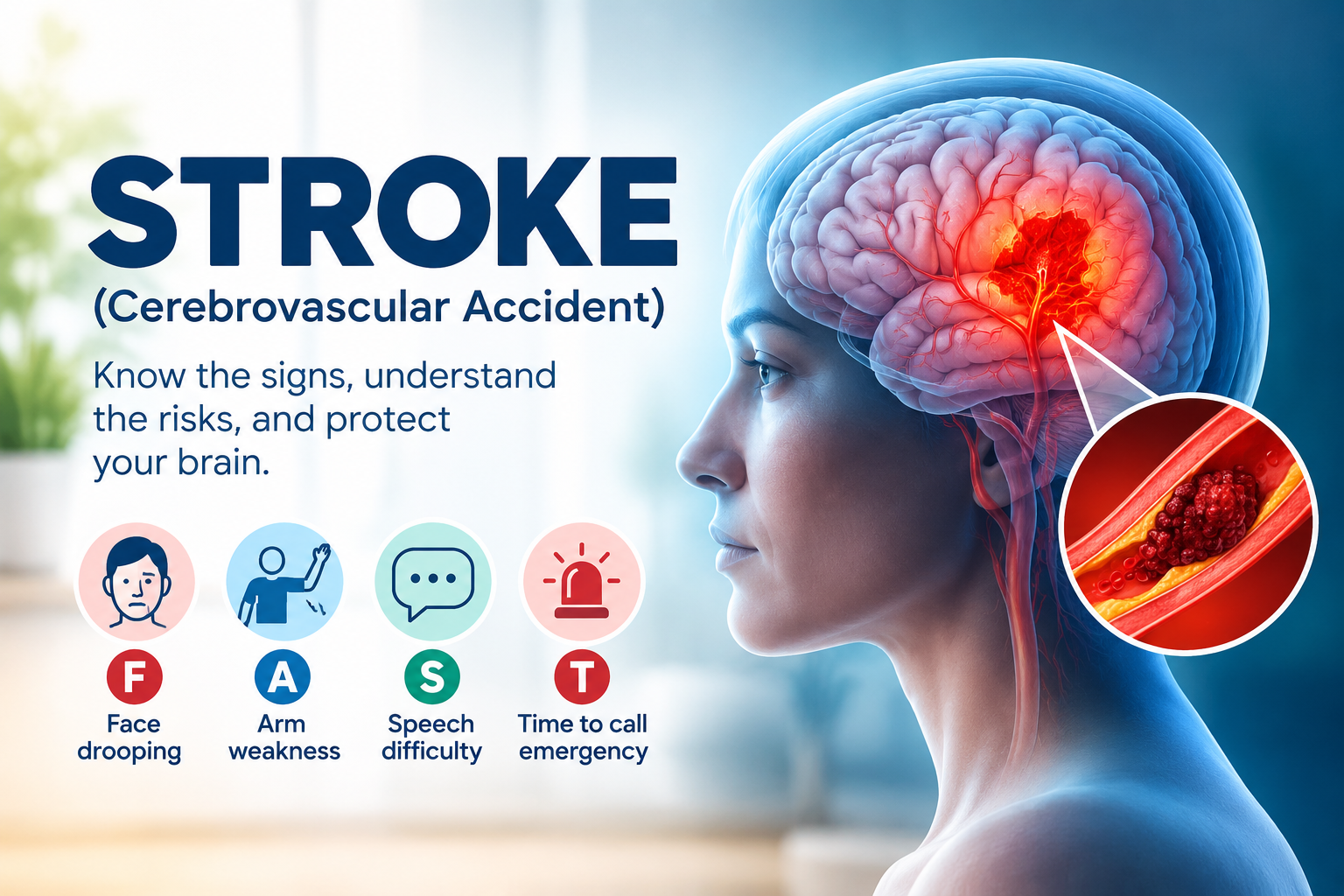
Stroke (Cerebrovascular Accident - CVA)
Stroke (Cerebrovascular Accident - CVA)
Read more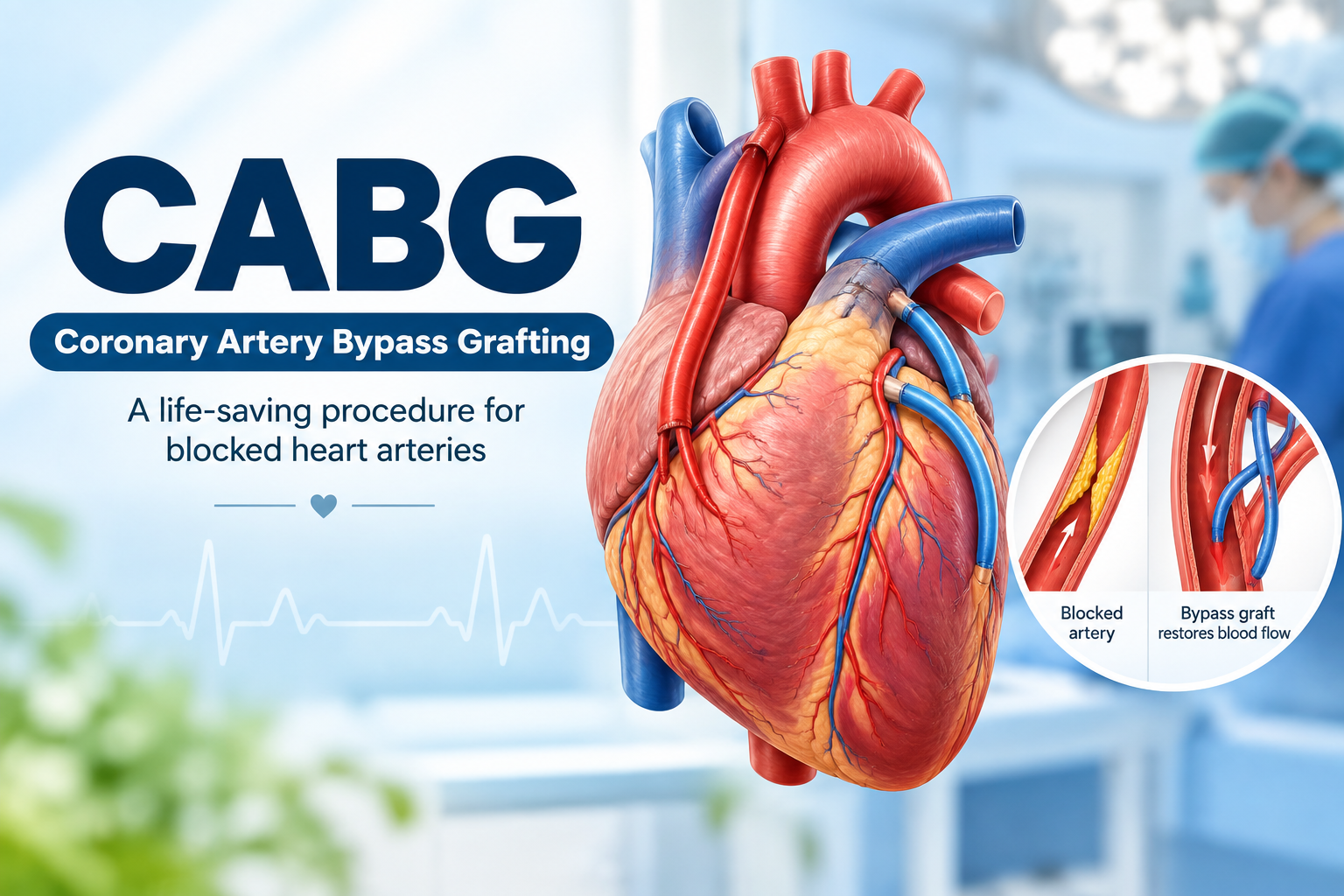
CABG (Coronary Artery Bypass Grafting)
CABG (Coronary Artery Bypass Grafting)
Read more
Vitamin B12 Deficiency :"Always Tired? Check Your Vitamin B12!"
(Cobalamin Deficiency)
Read more
Vitamin D Deficiency (Hypovitaminosis D)
Introduction Vitamin D deficiency, medically known as Hypovitaminosis D, occurs when the body does not have enough vitamin D to support healthy bones, muscles, and immune function. Vitamin D plays a crucial role in helping the body absorb calcium and phosphorus, which are essential for maintaining strong bones and teeth.
Read more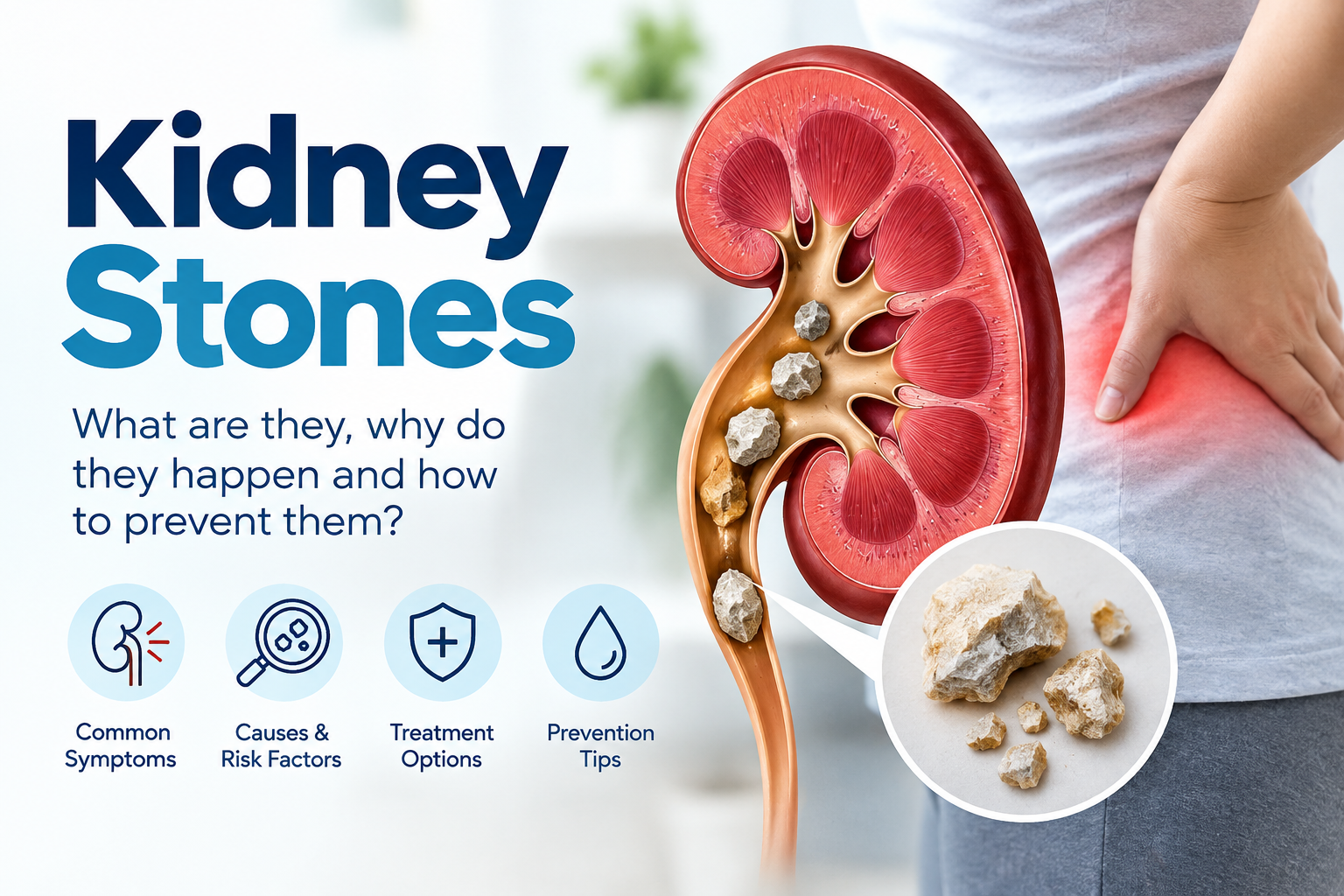
Kidney Stones:
Renal Calculi
Read more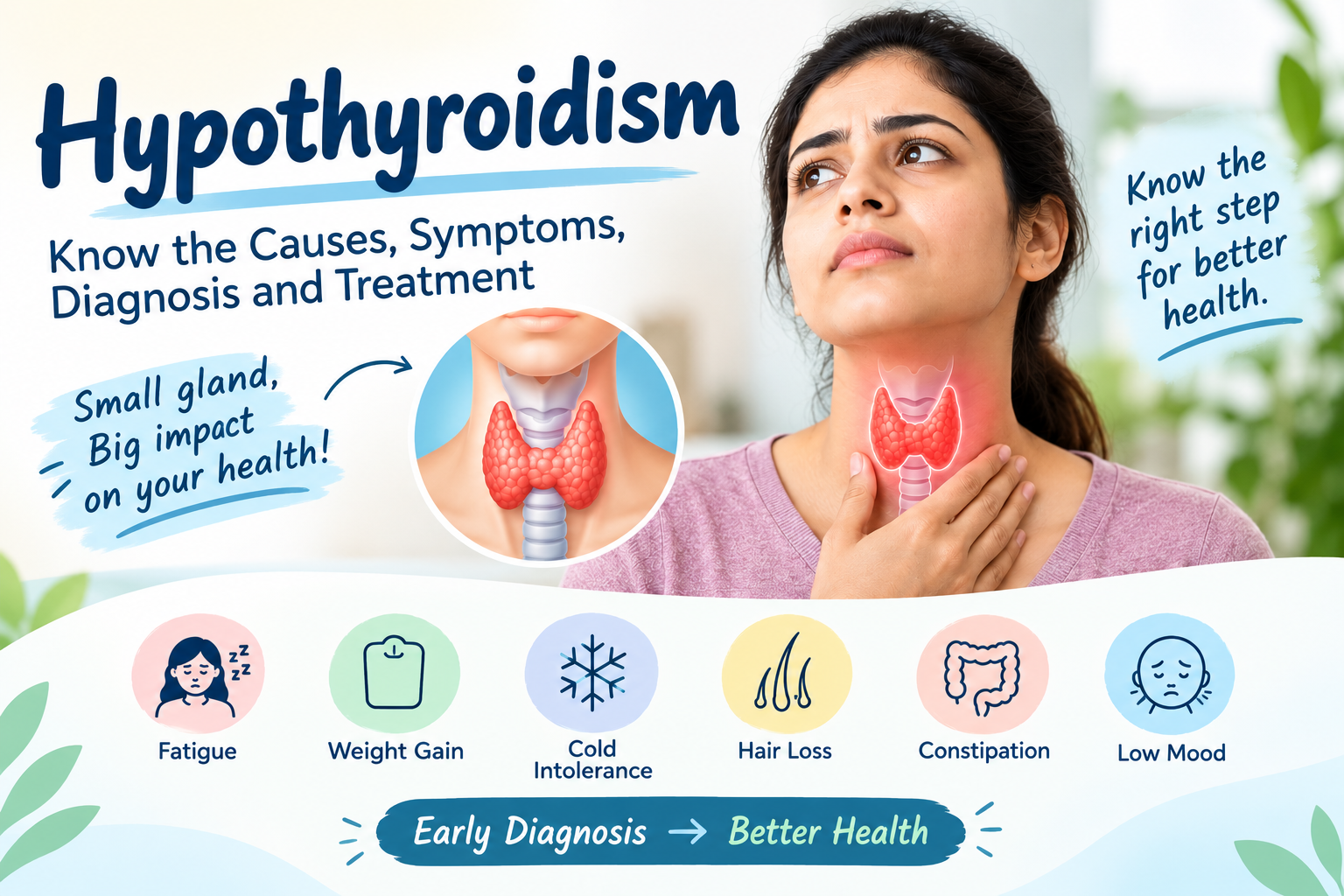
Thyroid related Disorder
Hypothyroidism
Read more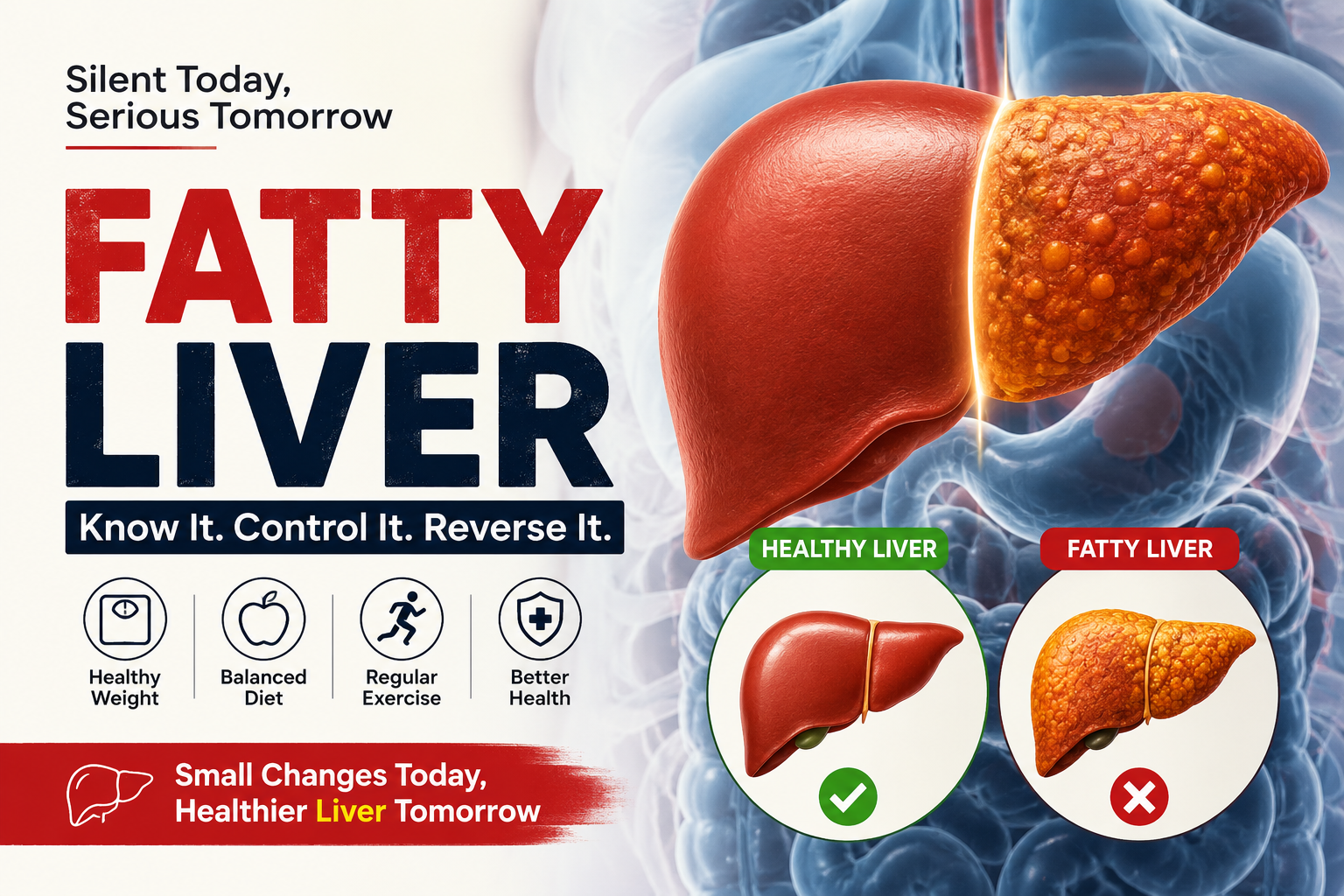
Fatty Liver
“A healthy liver works silently—take care of it before it starts showing signs.”
Read more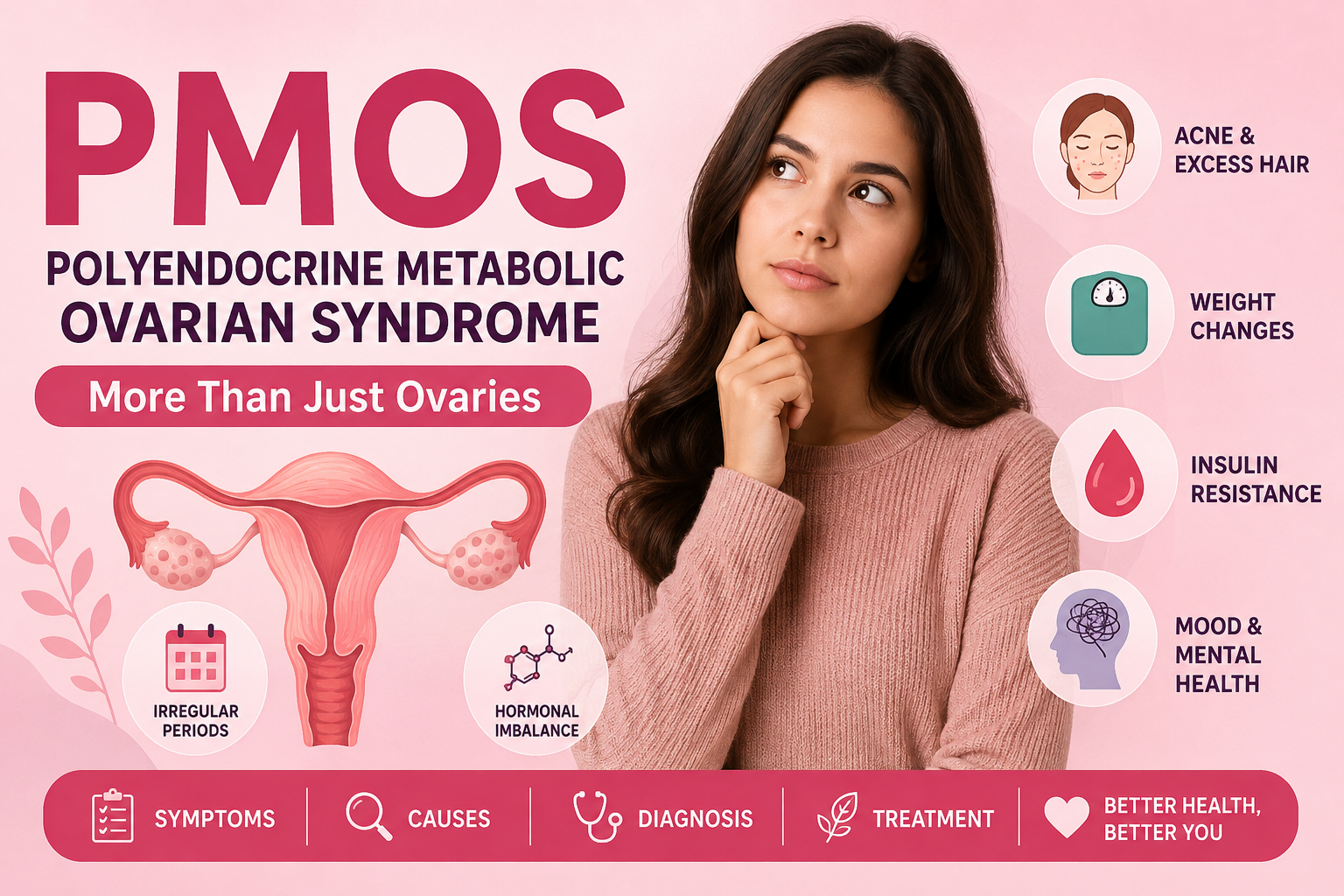
PMOS (Polyendocrine Metabolic Ovarian Syndrome)
"PMOS is more than an ovarian condition—it is a complex hormonal and metabolic condition that can affect overall health.”
Read more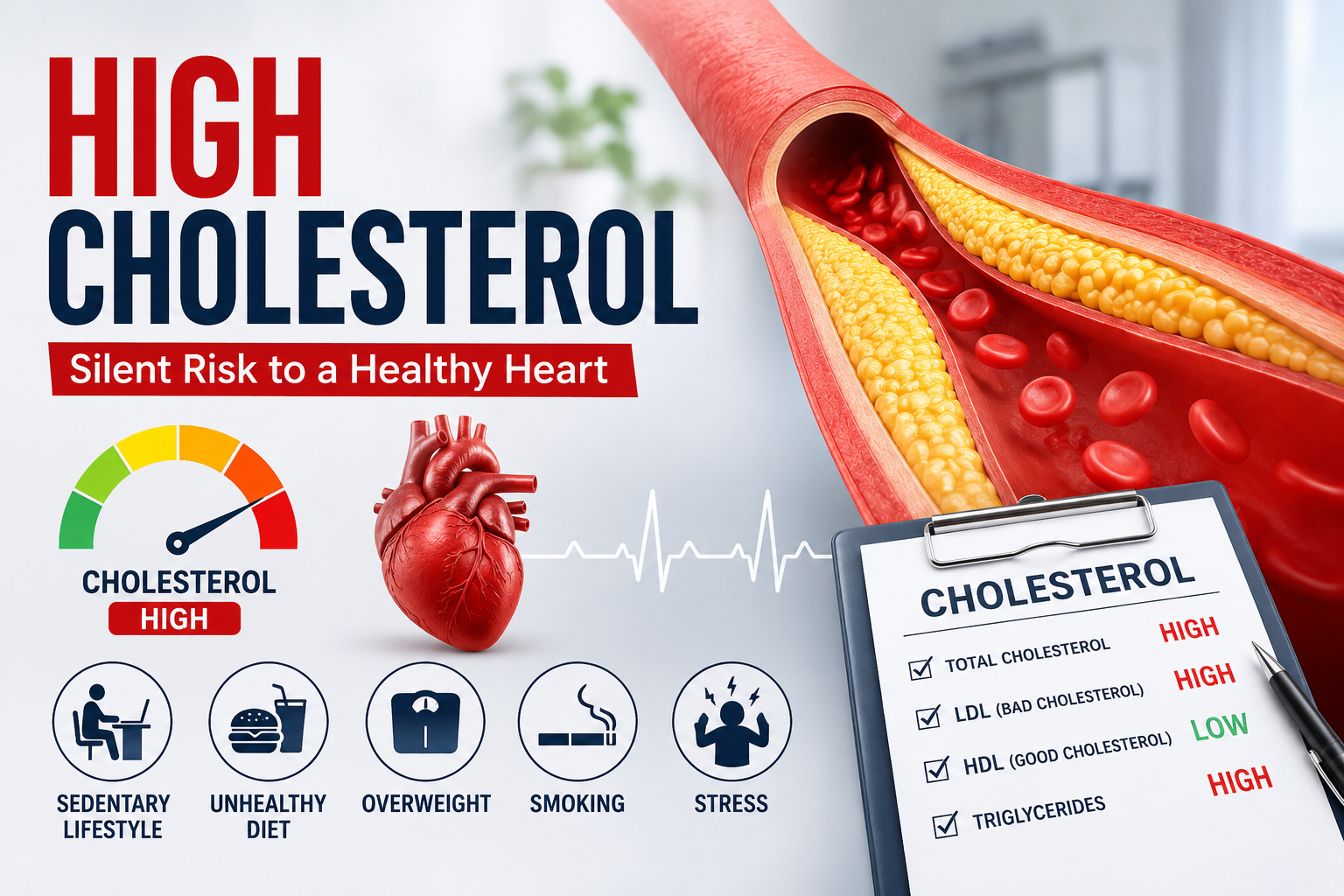
High Cholesterol (Hyperlipidemia):“Know your cholesterol today to protect your heart tomorrow.”
High Cholesterol (Hyperlipidemia)
Read more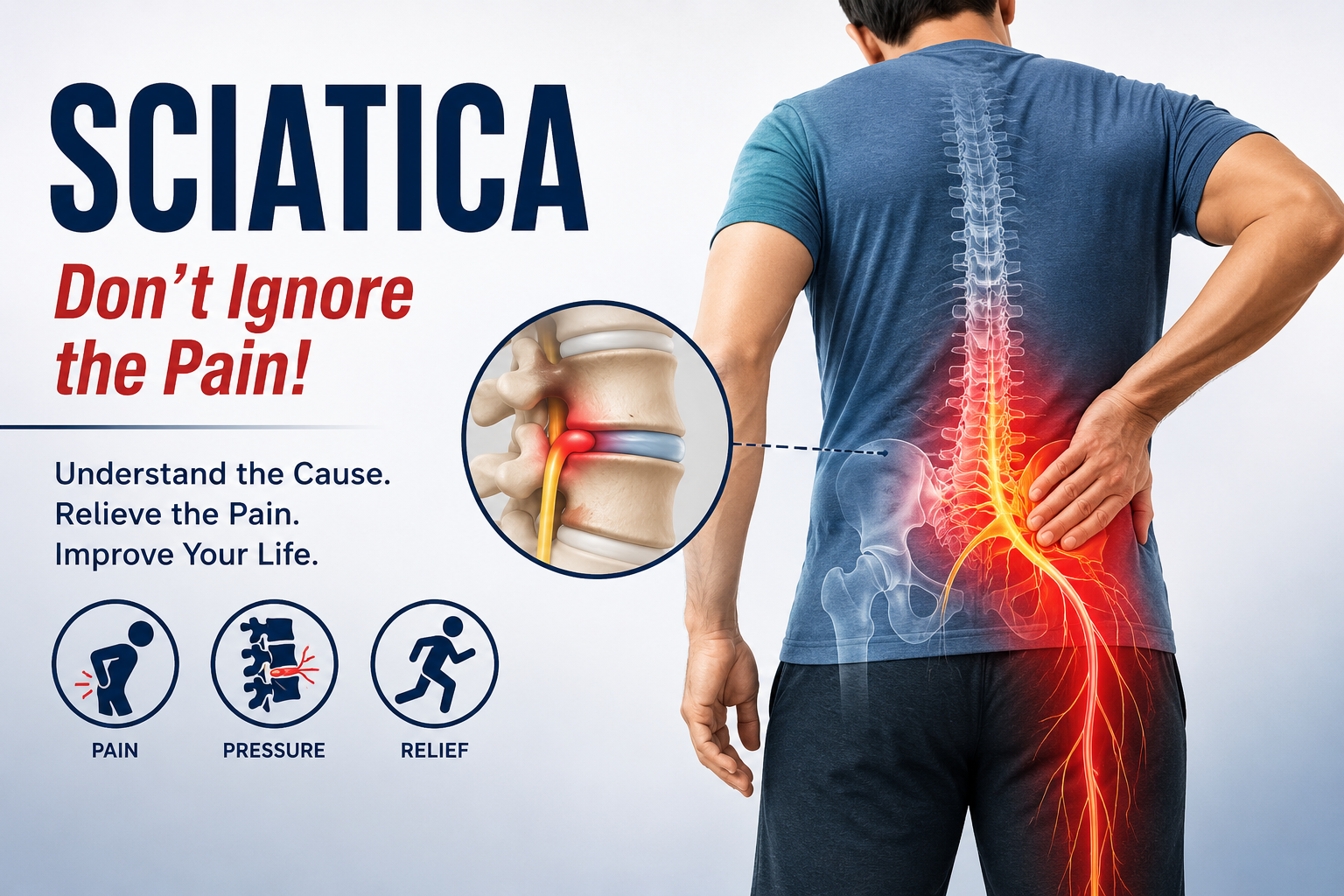
Sciatica
“Don’t ignore the pain that travels—understanding sciatica can help you move better and live better.”
Read more
Gestational Diabetes :“Monitor your sugar, nourish your body, protect your baby.”
Frequently Asked Questions (FAQ)
Read more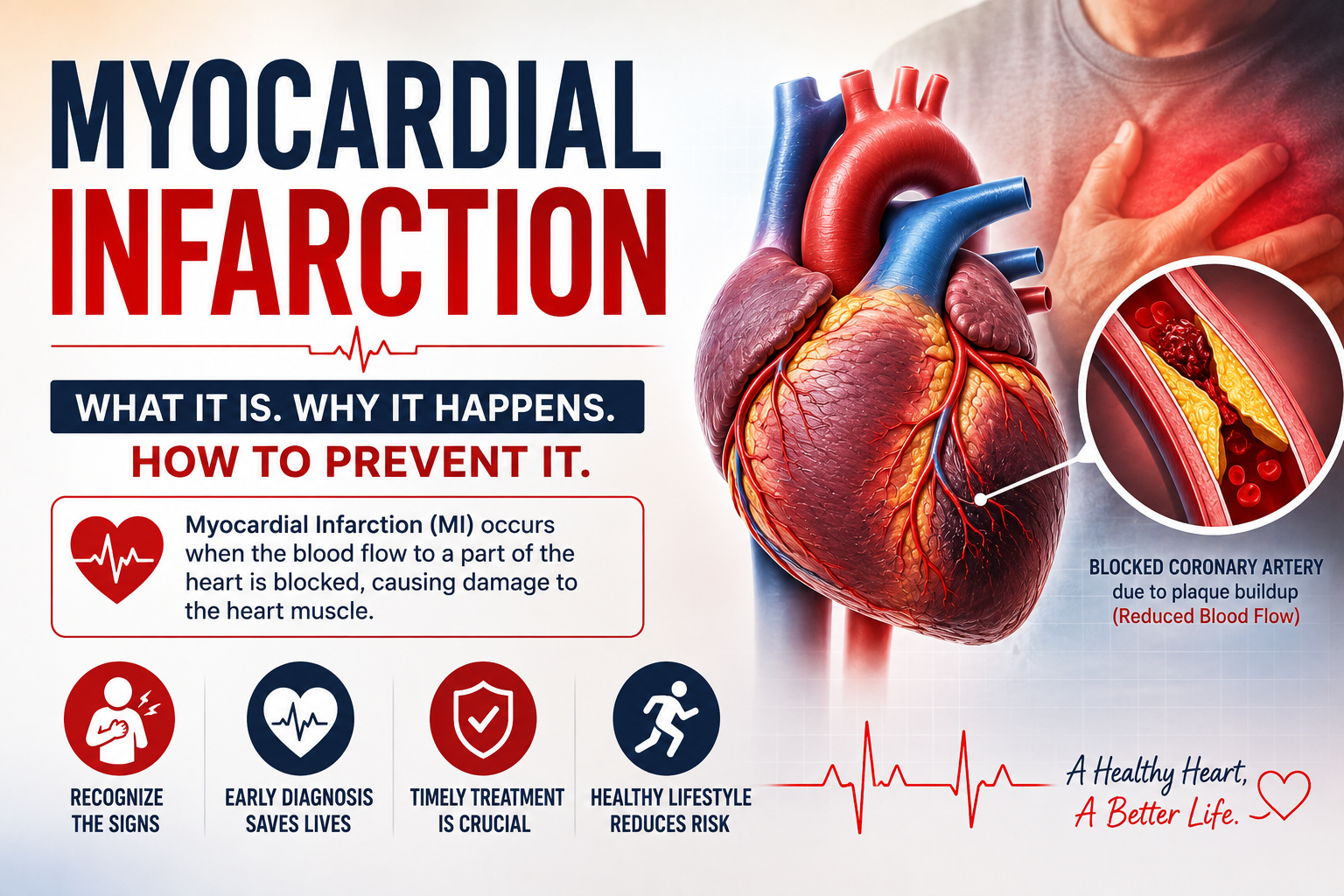
Myocardial Infarction
Heart Attack
Read more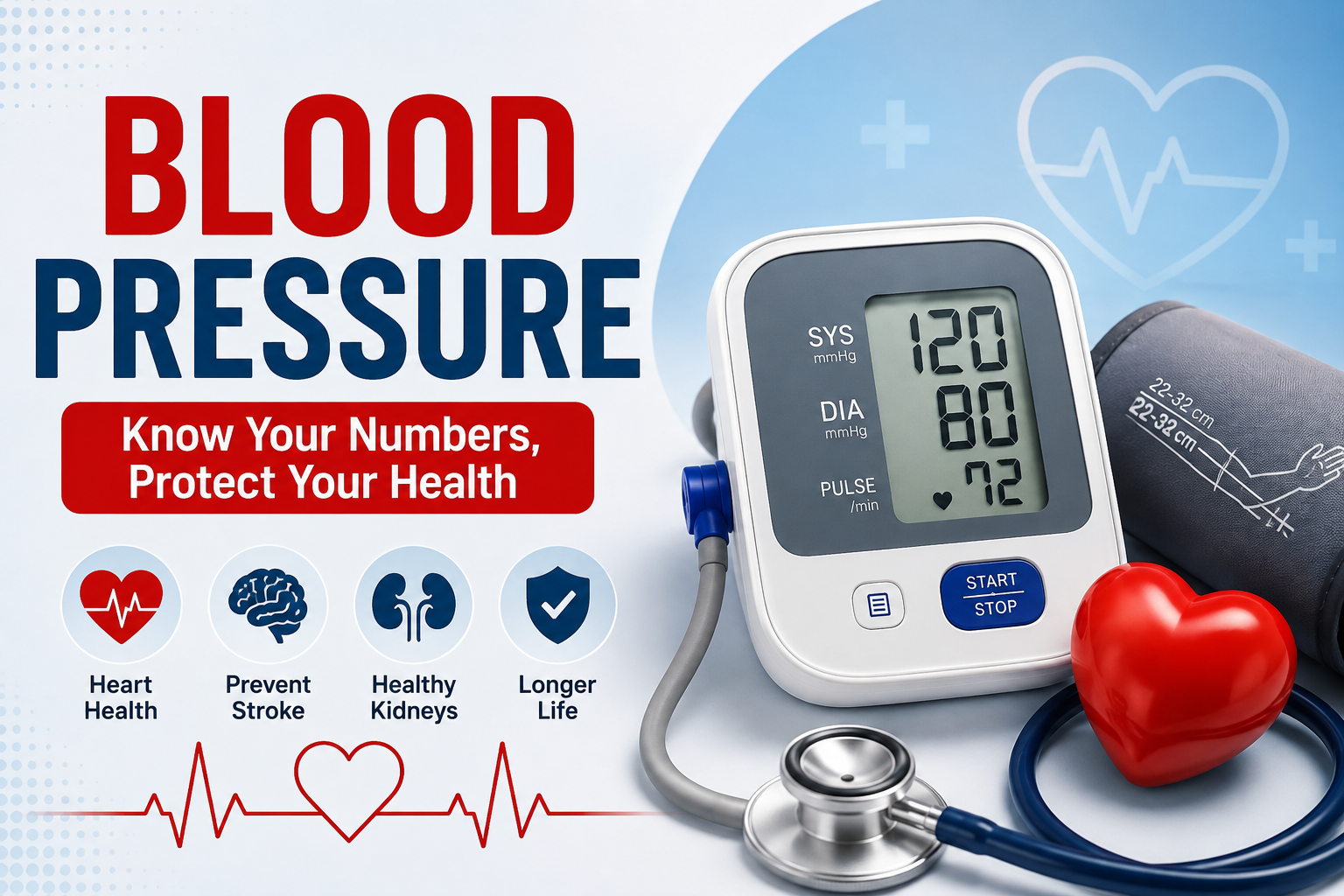
Blood Pressure: “Check your pressure before it checks you.”
Introduction Blood pressure is the force exerted by circulating blood against the walls of the arteries. It is essential for delivering oxygen and nutrients to different parts of the body. However, when blood pressure remains consistently higher or lower than normal, it can affect overall health and may require medical attention.
Read more
Obesity: “Your health is your greatest wealth—take care of it.”
Introduction Obesity is one of the fastest-growing health concerns worldwide and has become increasingly common in India. It is a chronic medical condition characterized by an excessive accumulation of body fat that can negatively affect overall health and quality of life. While many people think obesity is simply about being overweight, it is actually a complex disease influenced by genetic, environmental, behavioral, and hormonal factors. Obesity significantly increases the risk of developing serious health conditions such as type 2 diabetes, high blood pressure, heart disease, stroke, fatty liver disease, sleep apnea, infertility, osteoarthritis, and certain types of cancer. Early diagnosis and timely intervention are essential to prevent these complications and improve long-term health outcomes.
Read more
Hyperemesis Gravidarum
Frequently Asked Questions (FAQ)
Read more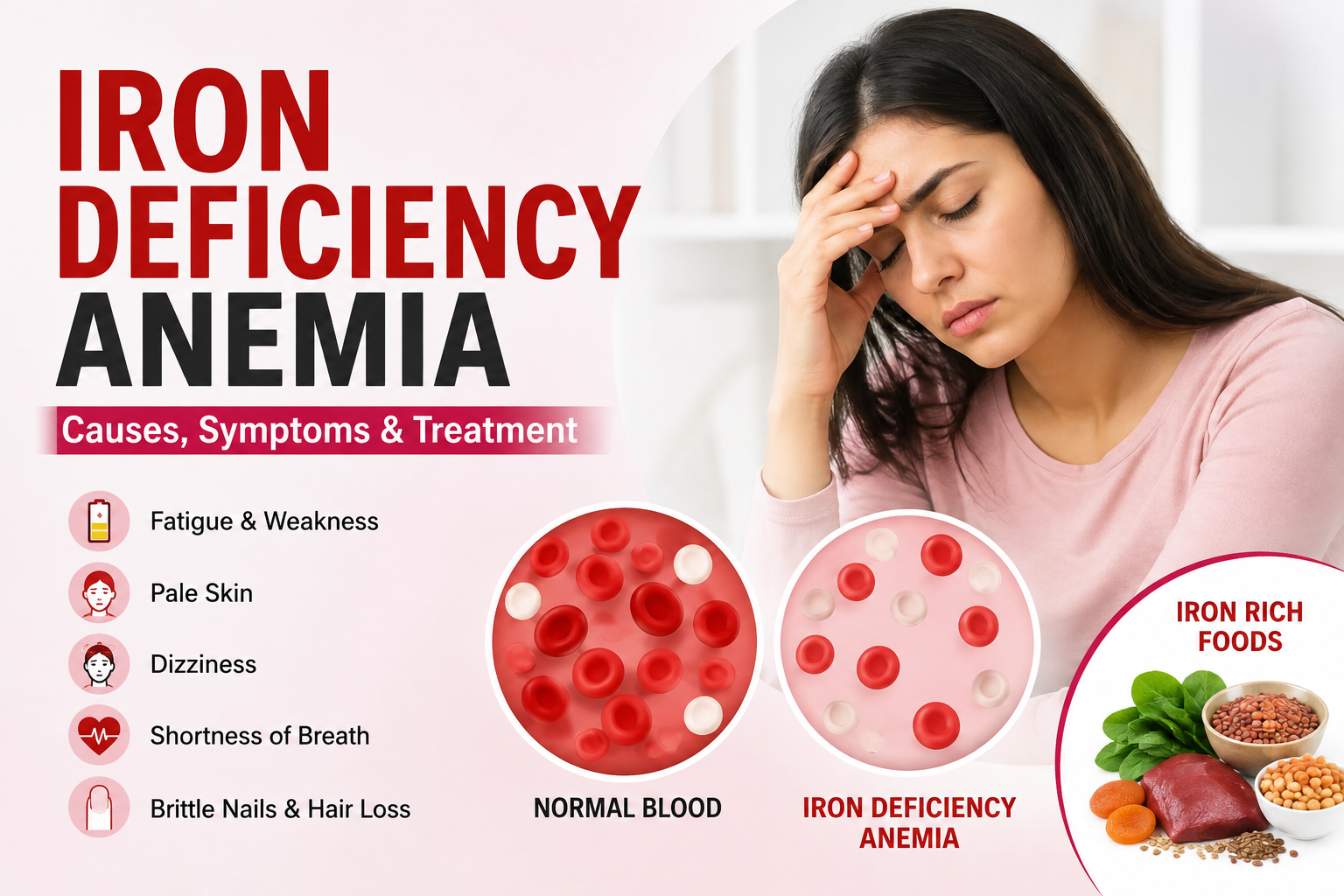
Iron Deficiency Anemia: “Beat iron deficiency, boost your energy.”
Introduction Iron deficiency anemia is one of the most common types of anemia. It occurs when the body does not have enough iron to produce adequate hemoglobin. Hemoglobin is a protein in red blood cells that carries oxygen throughout the body. When iron levels are low, the body may not receive enough oxygen, leading to tiredness, weakness and other symptoms.
Read more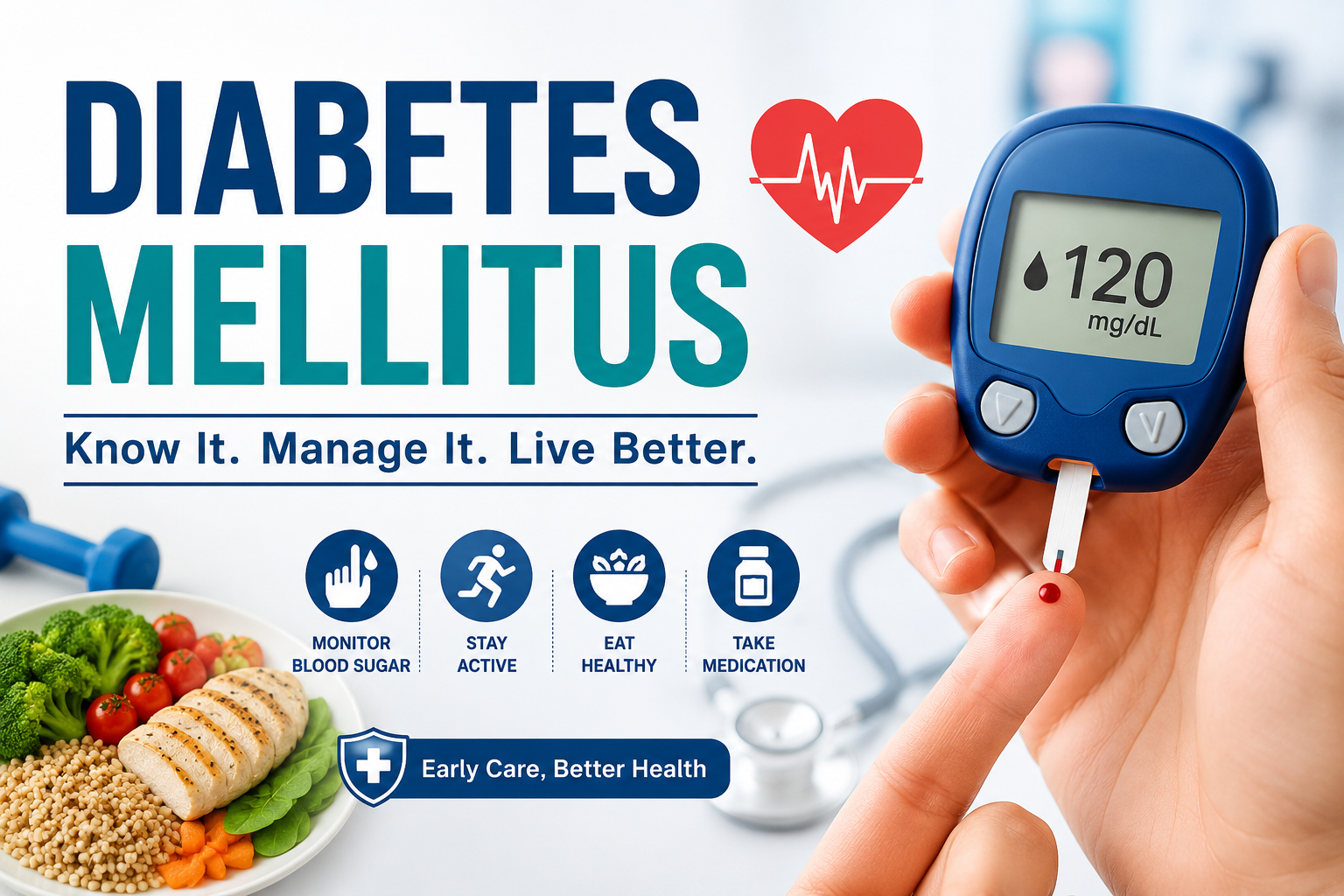
Diabetes Mellitus: "Manage diabetes, don't let diabetes manage you".
Frequently Asked Questions (FAQ)
Read moreReady to modernise your hospital's front desk?
Join hospitals, clinics and diagnostic centres already using MediBook to manage appointments, OPD queues, lab reports and patient records in one place.