0%
Reading Progress
Scroll to track your progress
“A healthy liver works silently—take care of it before it starts showing signs.”
What Is Fatty Liver?
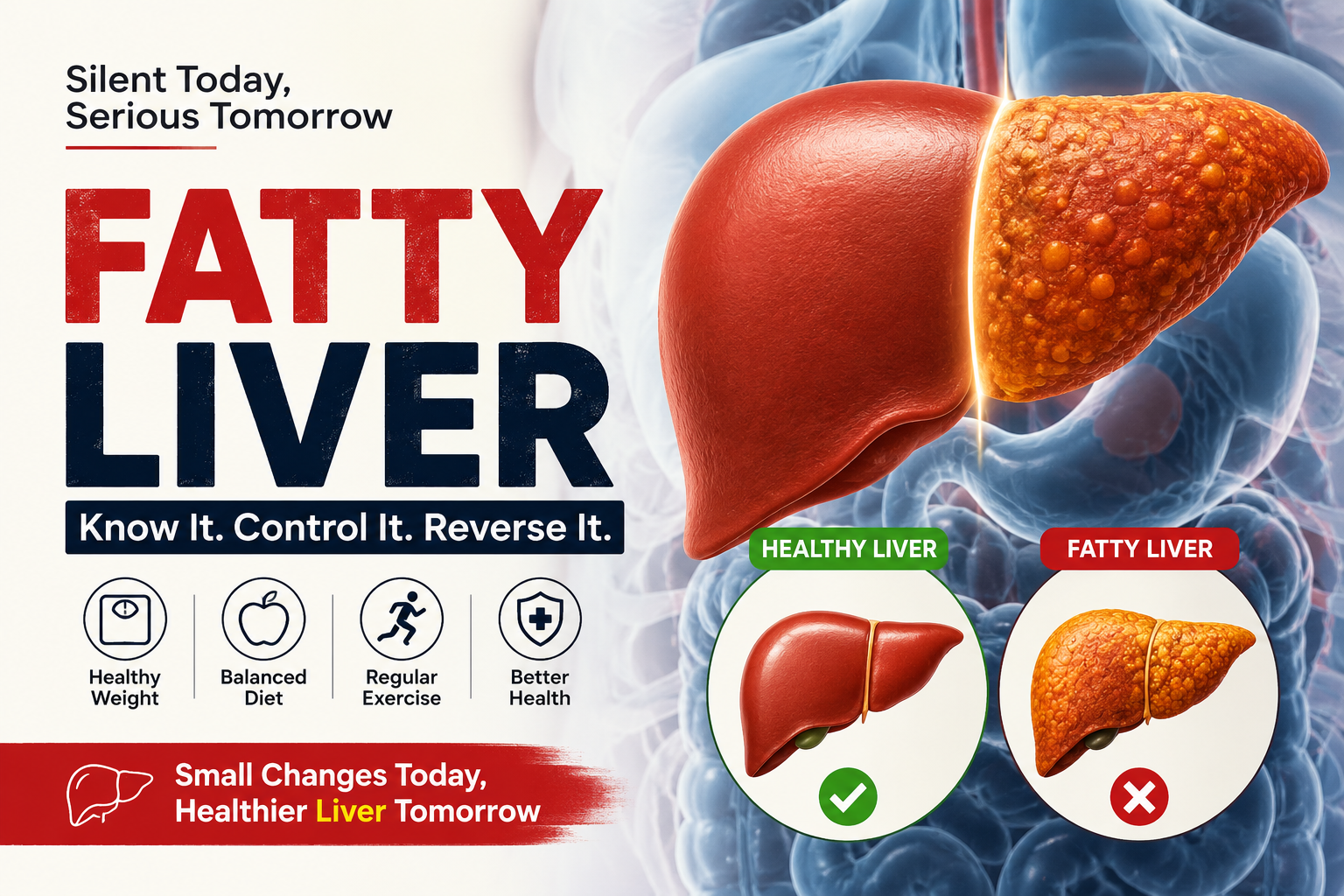
Fatty liver, medically known as hepatic steatosis, occurs when excess fat accumulates in the liver. A small amount of fat in the liver can be normal, but excessive fat accumulation may affect liver function and, in some people, progress to inflammation and liver damage.
Fatty liver can occur due to alcohol consumption or factors unrelated to alcohol.
What Are the Main Types of Fatty Liver?
The two broad types are:
1. Metabolic dysfunction-associated steatotic liver disease (MASLD): Fat accumulation associated with metabolic risk factors such as obesity, insulin resistance, type 2 diabetes, high cholesterol and high blood pressure.
2. Alcohol-associated liver disease: Fat accumulation related to excessive alcohol consumption.
What Causes Fatty Liver?
Common risk factors include:
Overweight or obesity
Insulin resistance or type 2 diabetes
High cholesterol or triglyceride levels
High blood pressure
Poor dietary habits
Physical inactivity
Excessive alcohol consumption
Certain medications or medical conditions
What Are the Symptoms of Fatty Liver?
Many people with fatty liver have no noticeable symptoms, especially during the early stages.
When symptoms occur, they may include:
Tiredness or fatigue
Mild discomfort in the upper-right abdomen
General weakness
In advanced liver disease, symptoms such as jaundice, abdominal swelling or leg swelling may develop.
How Is Fatty Liver Diagnosed?
A healthcare professional may use:
Medical history and physical examination
Blood tests to assess liver enzymes and other metabolic markers
Ultrasound or other imaging tests
Fibrosis assessment tests when needed
Occasionally, a liver biopsy in selected cases
A healthcare professional may recommend additional tests to determine whether liver scarring or fibrosis is present.
Can Fatty Liver Become Serious?
Yes. Fatty liver does not always remain harmless. In some individuals, it can progress from simple fat accumulation to liver inflammation, fibrosis and eventually cirrhosis.
The risk of progression is higher in people with metabolic conditions such as obesity and diabetes.
How Is Fatty Liver Treated?
Treatment mainly focuses on addressing the underlying cause and reducing liver fat and the risk of progression.
Important measures include:
Achieving gradual, sustainable weight loss when overweight
Following a balanced, nutrient-rich diet
Exercising regularly
Controlling blood sugar
Managing cholesterol and blood pressure
Avoiding or minimizing alcohol, depending on the individual's condition
Taking prescribed medications as advised by a healthcare professional
There is no single diet or supplement that can cure fatty liver. Avoid self-medicating or taking herbal supplements without medical advice.
What Foods Are Helpful for Fatty Liver?
A liver-friendly eating pattern generally emphasizes:
Vegetables and fruits in appropriate portions
Whole grains
Pulses and legumes
Nuts and seeds
Fish or other healthy protein sources
Low-fat or minimally processed foods
Healthy unsaturated fats
It is helpful to limit:
Sugary drinks
Sweets and desserts
Highly processed foods
Excess refined carbohydrates
Foods high in saturated and trans fats
Excess alcohol
Can Exercise Help Fatty Liver?
Yes. Regular physical activity can improve insulin sensitivity, metabolic health and liver fat—even when significant weight loss has not yet occurred.
A combination of aerobic activity and strength training can be beneficial. The appropriate exercise plan depends on your health and fitness level.
Can Fatty Liver Be Reversed?
In many people, especially when identified early, liver fat can be reduced through sustained lifestyle changes and management of associated conditions.
The possibility of reversal depends on the stage of liver disease and whether inflammation or significant fibrosis has developed.
When Should You See a Doctor?
Consult a healthcare professional if you:
Have abnormal liver-function test results
Have diabetes, obesity or high cholesterol
Have been diagnosed with fatty liver
Experience persistent abdominal discomfort or unexplained fatigue
Develop yellowing of the eyes or skin, abdominal swelling, vomiting blood or confusion
Conclusion
Fatty liver is common and may remain unnoticed for years. However, early identification, healthy eating, regular physical activity, weight management and control of associated medical conditions can help protect the liver and reduce the risk of progression.
Take care of your liver today—small lifestyle changes can make a meaningful difference to your long-term health.
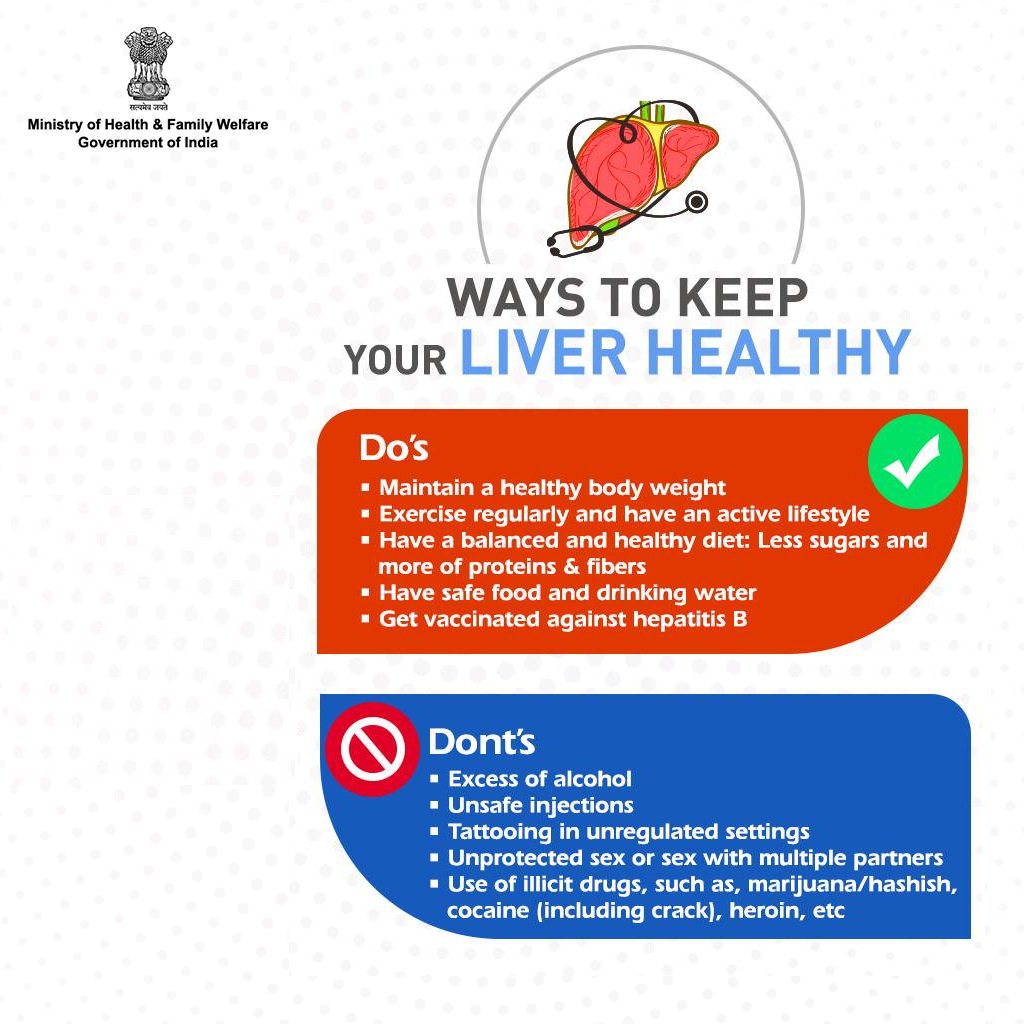
AI Generated
Verified and approved by
Ms.Siddiq nisha U. Bsc(Nsg)
Dr.Karthikeyan S. MBBS.,