Introduction
Obesity is one of the fastest-growing health concerns worldwide and has become increasingly common in India. It is a chronic medical condition characterized by an excessive accumulation of body fat that can negatively affect overall health and quality of life. While many people think obesity is simply about being overweight, it is actually a complex disease influenced by genetic, environmental, behavioral, and hormonal factors. Obesity significantly increases the risk of developing serious health conditions such as type 2 diabetes, high blood pressure, heart disease, stroke, fatty liver disease, sleep apnea, infertility, osteoarthritis, and certain types of cancer. Early diagnosis and timely intervention are essential to prevent these complications and improve long-term health outcomes.
What Is Obesity?
Obesity occurs when the body stores more fat than it needs due to a long-term imbalance between calorie intake and calorie expenditure. Doctors commonly use the Body Mass Index (BMI) to determine whether a person has obesity. For Asian and Indian adults, a BMI of 25 kg/m² or higher is generally considered obese. However, BMI alone does not provide a complete picture. Doctors may also assess waist circumference, body fat distribution, medical history, and associated health conditions to evaluate obesity-related risks.
What Causes Obesity?
Obesity usually develops due to a combination of multiple factors rather than a single cause.
Common contributing factors include:
✓Consuming high-calorie foods rich in sugar, refined ✓carbohydrates, and unhealthy fats.
✓Physical inactivity and prolonged sitting.
✓Genetic predisposition.
✓Hormonal disorders such as hypothyroidism and polycystic ✓ovary syndrome (PCOS).
✓Poor sleep habits.
✓Chronic stress and emotional eating.
✓Certain medications that promote weight gain.
✓Environmental and lifestyle factors.
Signs and Symptoms of Obesity
✓People with obesity may experience:
✓Excess body weight
✓Increased waist circumference
✓Breathlessness during physical activity
✓Fatigue and low energy levels
✓Joint pain, especially in the knees and lower back
✓Difficulty performing routine activities
✓Excessive sweating
✓Loud snoring or interrupted sleep
✓Reduced physical fitness and mobility
✓Health Risks Associated with Obesity
Obesity affects almost every organ system in the body. If left untreated, it can lead to:
✓Type 2 diabetes
✓High blood pressure (hypertension)
✓Heart disease and stroke
✓High cholesterol
✓Fatty liver disease
✓Obstructive sleep apnea
✓Osteoarthritis
✓Infertility and pregnancy complications
✓Depression and anxiety
✓Increased risk of several cancers, including breast, colon, and ✓endometrial cancer
How Is Obesity Diagnosed?
Healthcare professionals diagnose obesity through a detailed medical assessment that may include:
✓Body Mass Index (BMI)
✓Waist circumference measurement
✓Physical examination
✓Medical and family history
✓Blood tests to assess blood sugar, cholesterol, thyroid function, and liver health
✓These evaluations help determine the severity of obesity and identify any associated medical conditions.
Treatment Options for Obesity
The treatment of obesity requires a personalized and long-term approach. Depending on the individual's health status, treatment may include:
Healthy Eating
A balanced diet rich in vegetables, fruits, whole grains, lean proteins, legumes, and healthy fats forms the foundation of weight management. Reducing sugary drinks, processed foods, and excessive portion sizes is equally important.
Regular Physical Activity
Adults should aim for at least 150–300 minutes of moderate-intensity exercise per week, along with muscle-strengthening activities twice weekly. Walking, cycling, swimming, yoga, and strength training are effective options.
Lifestyle Modification
Healthy habits such as adequate sleep, stress management, mindful eating, regular meal timing, and avoiding prolonged sitting play a significant role in maintaining a healthy weight.
Medical Management
Doctors may prescribe weight-loss medications for eligible patients when lifestyle modifications alone are insufficient.
Bariatric Surgery
For individuals with severe obesity or obesity-related health complications, bariatric surgery may be recommended after careful evaluation by a multidisciplinary medical team.
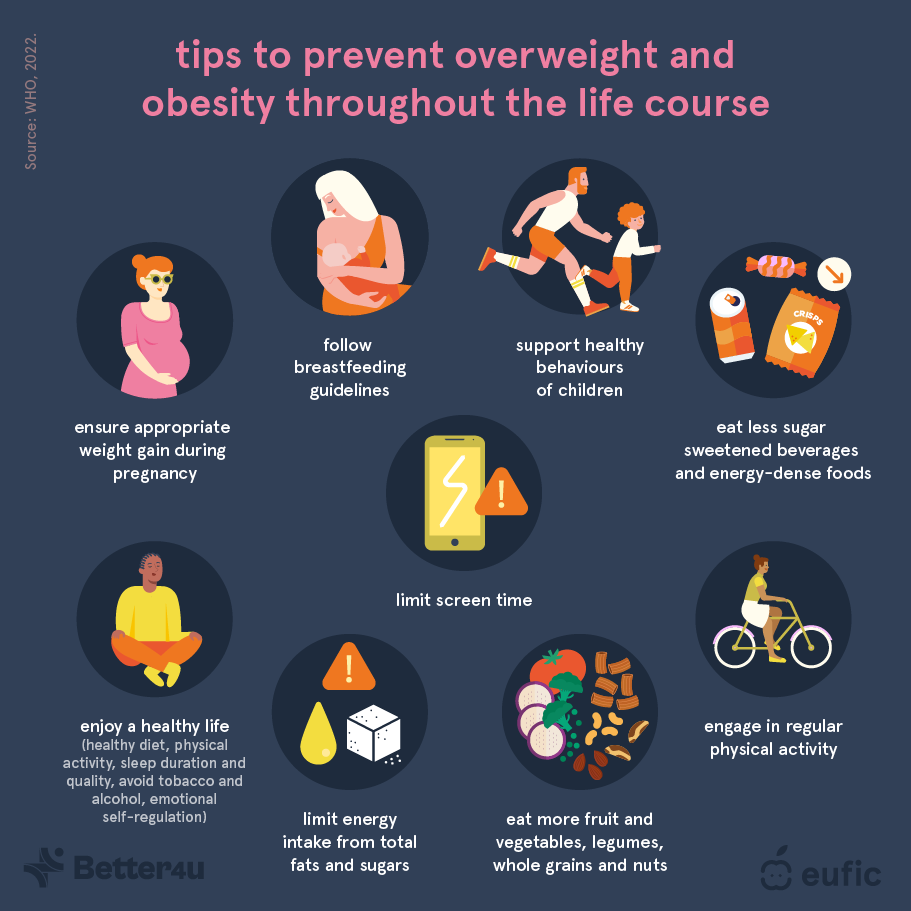
Can Obesity Be Prevented?
Yes. Although genetic factors cannot be changed, many cases of obesity can be prevented through healthy lifestyle choices.
Effective prevention strategies include:
✓Eating a nutritious and balanced diet
✓Exercising regularly
✓Limiting sugary beverages and processed foods
✓Getting 7–9 hours of quality sleep each night
✓Managing stress effectively
✓Monitoring body weight regularly
✓Seeking medical advice if weight gain becomes persistent
When Should You Consult a Doctor?
You should seek medical advice if:
✓Your BMI indicates overweight or obesity.
✓You experience rapid or unexplained weight gain.
✓You have diabetes, hypertension, or high cholesterol.
✓Weight is affecting your daily activities or quality of life.
✓You have symptoms such as loud snoring, breathing ✓difficulties during sleep, or persistent joint pain.
✓Early medical intervention can help prevent complications and improve long-term health.
Conclusion
Obesity is a chronic but manageable medical condition that requires a comprehensive and individualized treatment approach. Healthy eating, regular exercise, adequate sleep, and consistent lifestyle modifications are the cornerstone of successful weight management. In some cases, medications or bariatric surgery may also be necessary. If you are struggling with excess weight or obesity-related health problems, consult a qualified healthcare professional for a personalized treatment plan. Taking action today can significantly reduce the risk of future health complications and improve your overall well-being.