0%
Reading Progress
Scroll to track your progress
Introduction Blood pressure is the force exerted by circulating blood against the walls of the arteries. It is essential for delivering oxygen and nutrients to different parts of the body. However, when blood pressure remains consistently higher or lower than normal, it can affect overall health and may require medical attention.
1.What Is Blood Pressure?
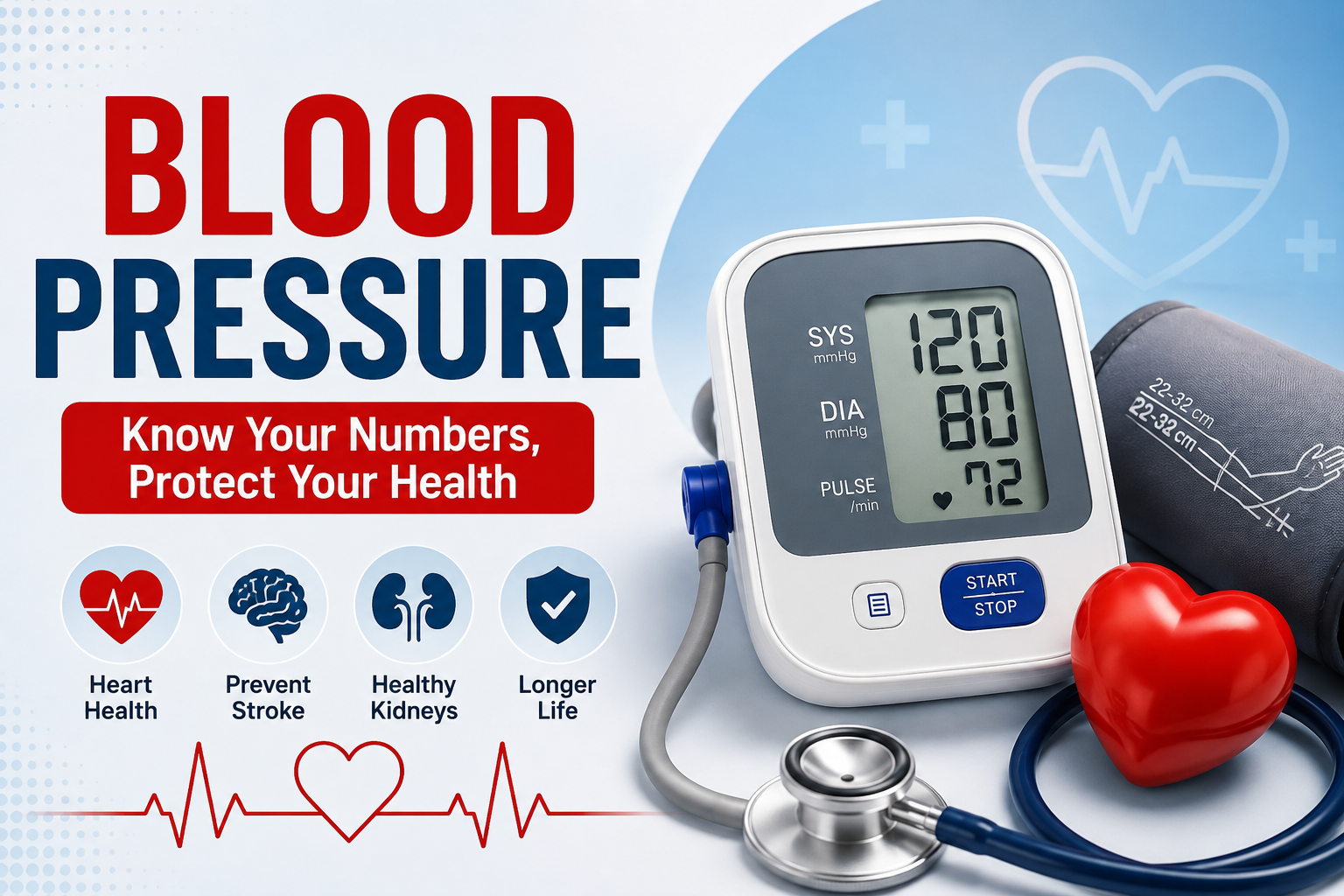
Blood pressure is measured using two numbers: systolic blood pressure and diastolic blood pressure. The systolic number represents the pressure when the heart contracts and pumps blood, while the diastolic number represents the pressure when the heart relaxes between beats.Blood pressure can change throughout the day depending on factors such as physical activity, stress, sleep, diet and medications. A single abnormal reading does not always mean that a person has a blood pressure disorder. Repeated measurements and medical evaluation are important.
2.What Is High Blood Pressure? (Hypertension)
High blood pressure, also called hypertension, occurs when blood pressure remains consistently elevated. It can develop gradually and may not cause noticeable symptoms, which is why hypertension is often called a “silent” condition.
If left uncontrolled, high blood pressure can increase the risk of serious health problems, including heart disease, stroke, kidney disease and damage to blood vessels.
3.Symptoms of High Blood Pressure
Most people with hypertension do not experience obvious symptoms. When blood pressure becomes very high, some people may experience:
Severe headache
Dizziness
Blurred vision
Shortness of breath
Chest discomfort
Nosebleeds in some cases
Very high blood pressure accompanied by symptoms such as chest pain, severe breathlessness, confusion, weakness, vision changes or difficulty speaking requires urgent medical evaluation.
4.Common Causes and Risk Factors
Several factors can contribute to high blood pressure. These include:
Excessive salt intake
Being overweight or obese
Lack of physical activity
Smoking or tobacco use
Excessive alcohol consumption
Long-term stress
Family history of hypertension
Increasing age
Certain medical conditions
Some medications
Lifestyle factors can play an important role, but hypertension can also occur in people who follow a healthy lifestyle.
5.How Is Blood Pressure Diagnosed?
Blood pressure is measured using a blood pressure monitor, usually with an inflatable cuff placed around the upper arm. Healthcare professionals may recommend repeated measurements at different times to confirm whether blood pressure is consistently elevated.
Home blood pressure monitoring can also be useful for some people, particularly when recommended by a healthcare professional.
6.How Can Blood Pressure Be Controlled?
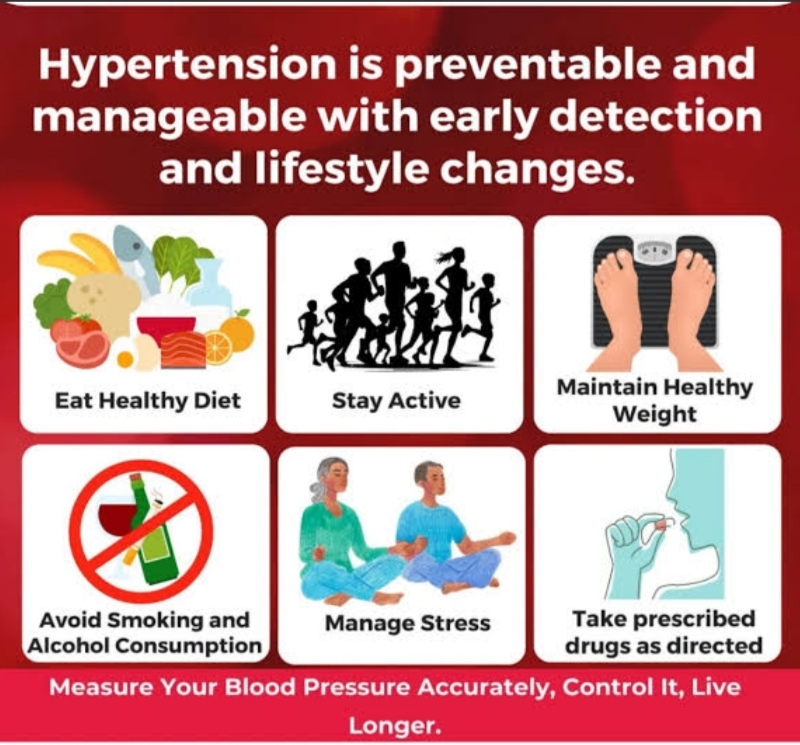
Maintaining a healthy lifestyle can help prevent and manage high blood pressure. Important steps include:
Reduce excessive salt intake.
Eat more vegetables, fruits, whole grains and other nutrient-rich foods.
Maintain a healthy body weight.
Exercise regularly according to your health condition.
Avoid smoking and tobacco products.
Limit alcohol consumption.
Get adequate and regular sleep.
Manage stress through healthy activities.
Take prescribed medicines regularly and do not stop them without medical advice.
7.Why Regular Blood Pressure Checks Matter?
Because hypertension may have no symptoms, regular blood pressure checks are important even when a person feels healthy. Early detection and appropriate management can help reduce the risk of complications affecting the heart, brain, kidneys and blood vessels.
Conclusion
Blood pressure is an important indicator of cardiovascular health. High blood pressure can often be managed effectively through lifestyle changes, regular monitoring and prescribed treatment. Knowing your blood pressure and getting it checked regularly can help identify problems early and support long-term health. If you have consistently abnormal readings or symptoms, consult a qualified healthcare professional for proper evaluation and treatment.