Accepting New Patients

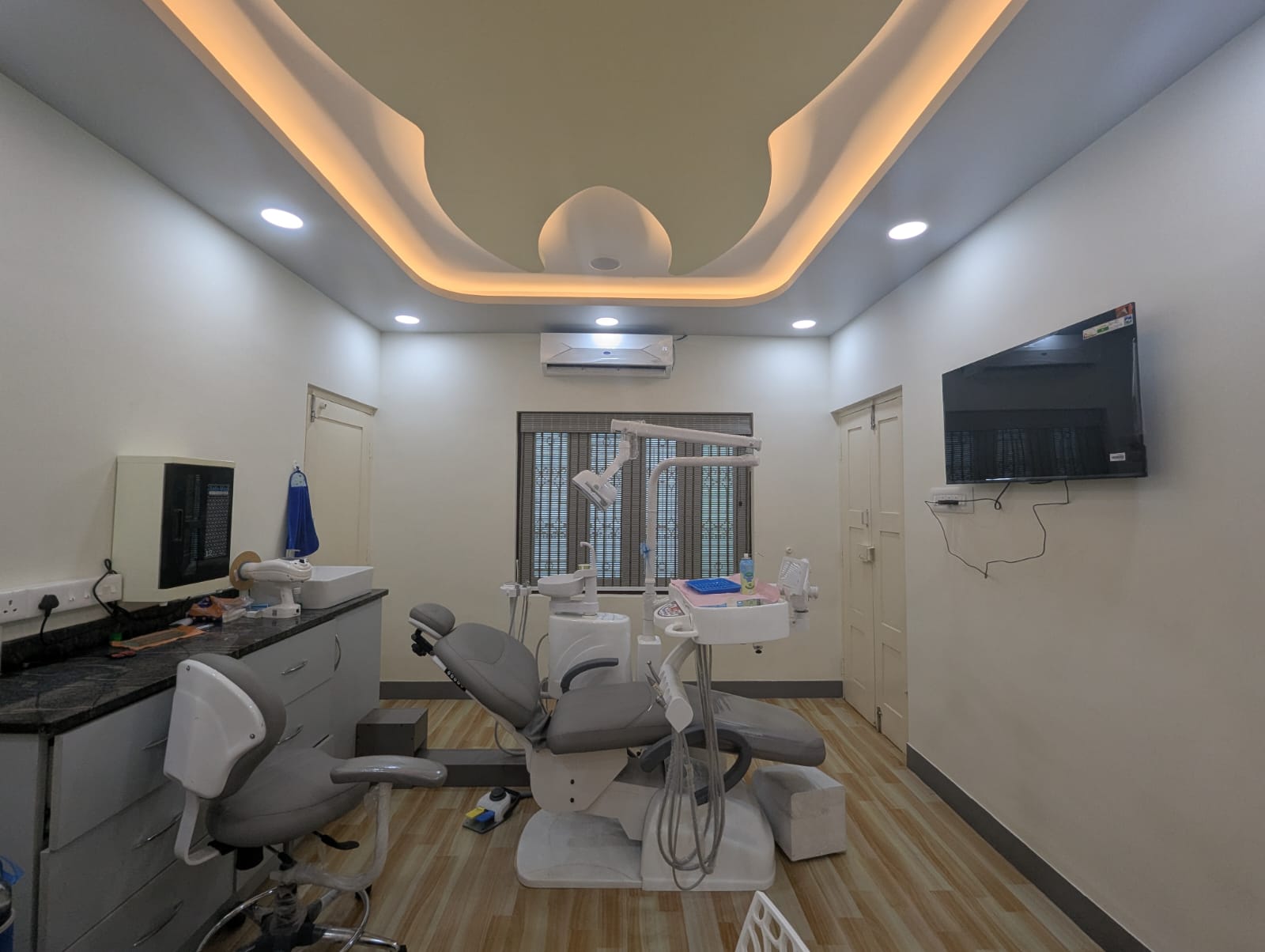
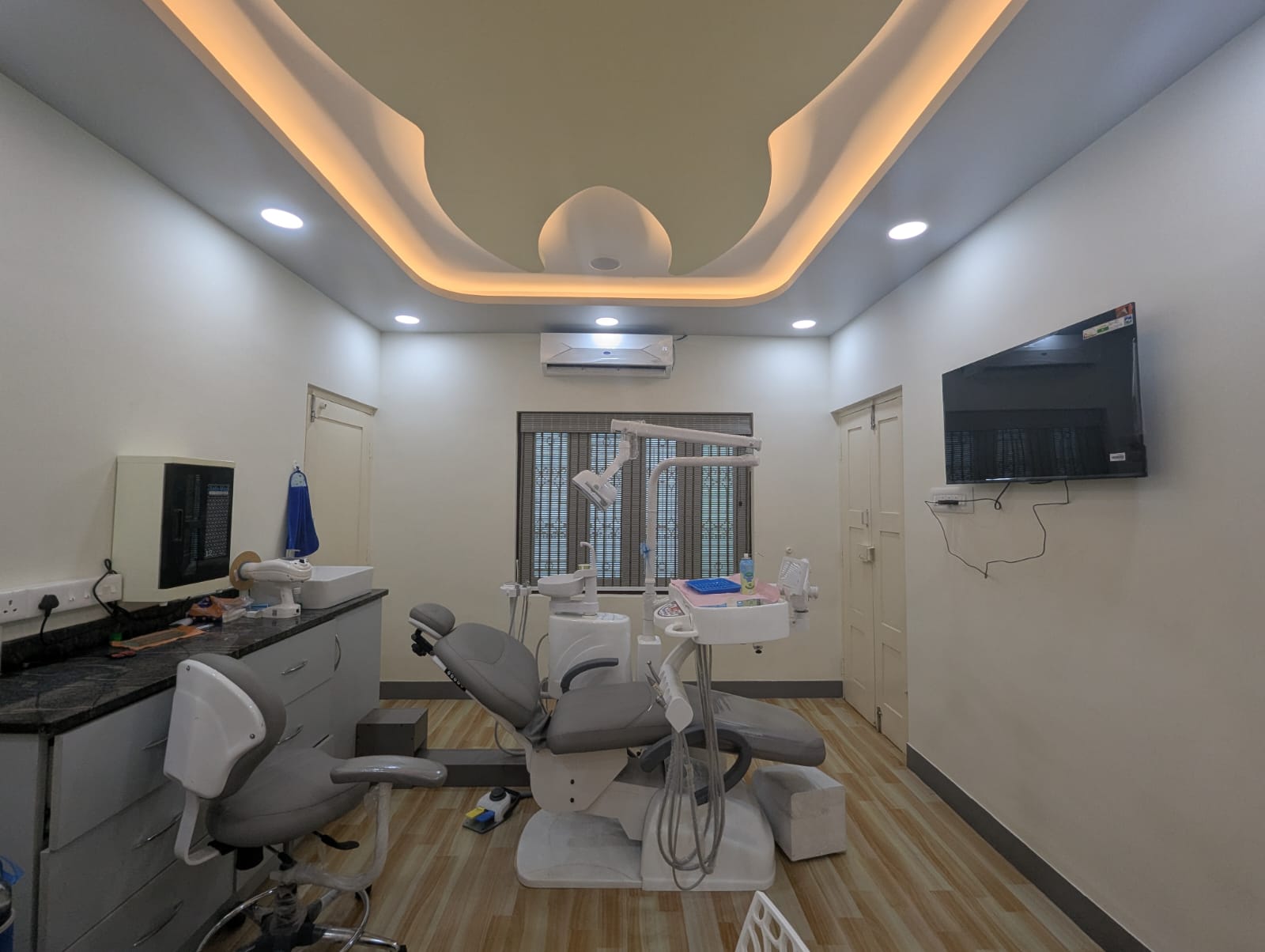
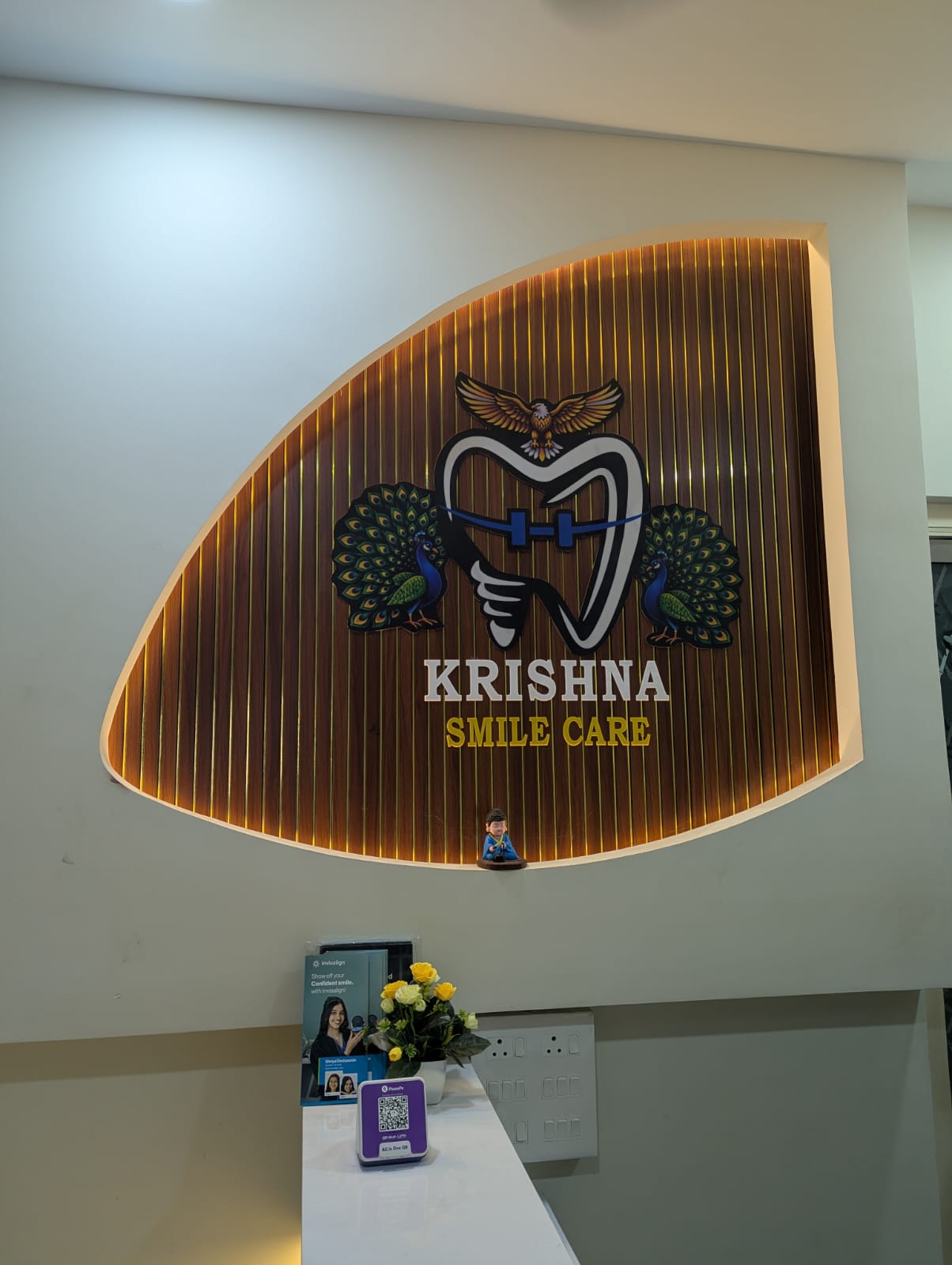
Krishna Smile Care

Dentistry • 1/23 Thiruvalluvar Salai, Opposite to HDFC Bank

Verified Facility
Certified Doctors
Easy Booking
Facility Type
Dentistry
Working Hours
09:00 AM – 09:00 PM
Location
1/23 Thiruvalluvar Salai,EB Colony,Opposite to HDFC Bank,Dindigul 624003
Contact
8300102346
Services & Specialties

What We Treat

Krishna Smile Care provides expert care across a wide range of medical specialties in Opposite to HDFC Bank.

Dentistry
Meet the Team

Our Specialist Doctors

Expert physicians dedicated to your care and well-being

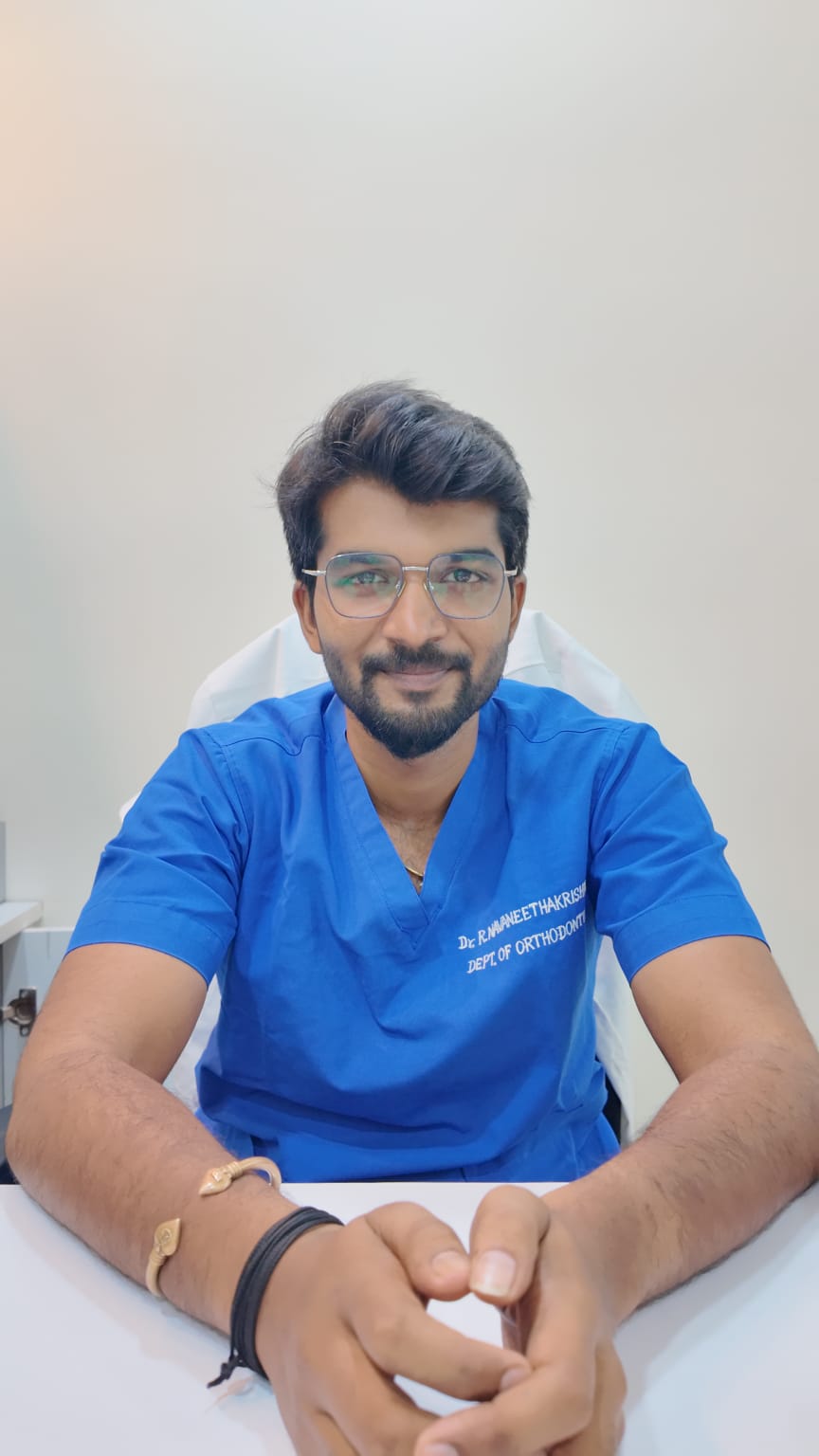
DR.NAVANEETHAKRISHNAN MDS(ORTHODONTICS&DENTOFACIAL ORTHOPEDICS) INVISALIGN PROVIDER

Visit Time: 09:30 AM - 02:00 PM | 05:00 PM - 09:00 PM

Dentistry

Weekly schedule
Sun 9:30 am - 2 pm | 5 pm - 9 pm
Mon 9:30 am - 2 pm | 5 pm - 9 pm
Tue 9:30 am - 2 pm | 5 pm - 9 pm
Wed 9:30 am - 2 pm | 5 pm - 9 pm
Thu 9:30 am - 2 pm | 5 pm - 9 pm
Fri 9:30 am - 2 pm | 5 pm - 9 pm
Sat 9:30 am - 2 pm | 5 pm - 9 pm
6 years of experience
₹100
Consultation Fee
Book Appointment
Health Insights

Hospital Blogs

Stay informed with expert health articles from our team

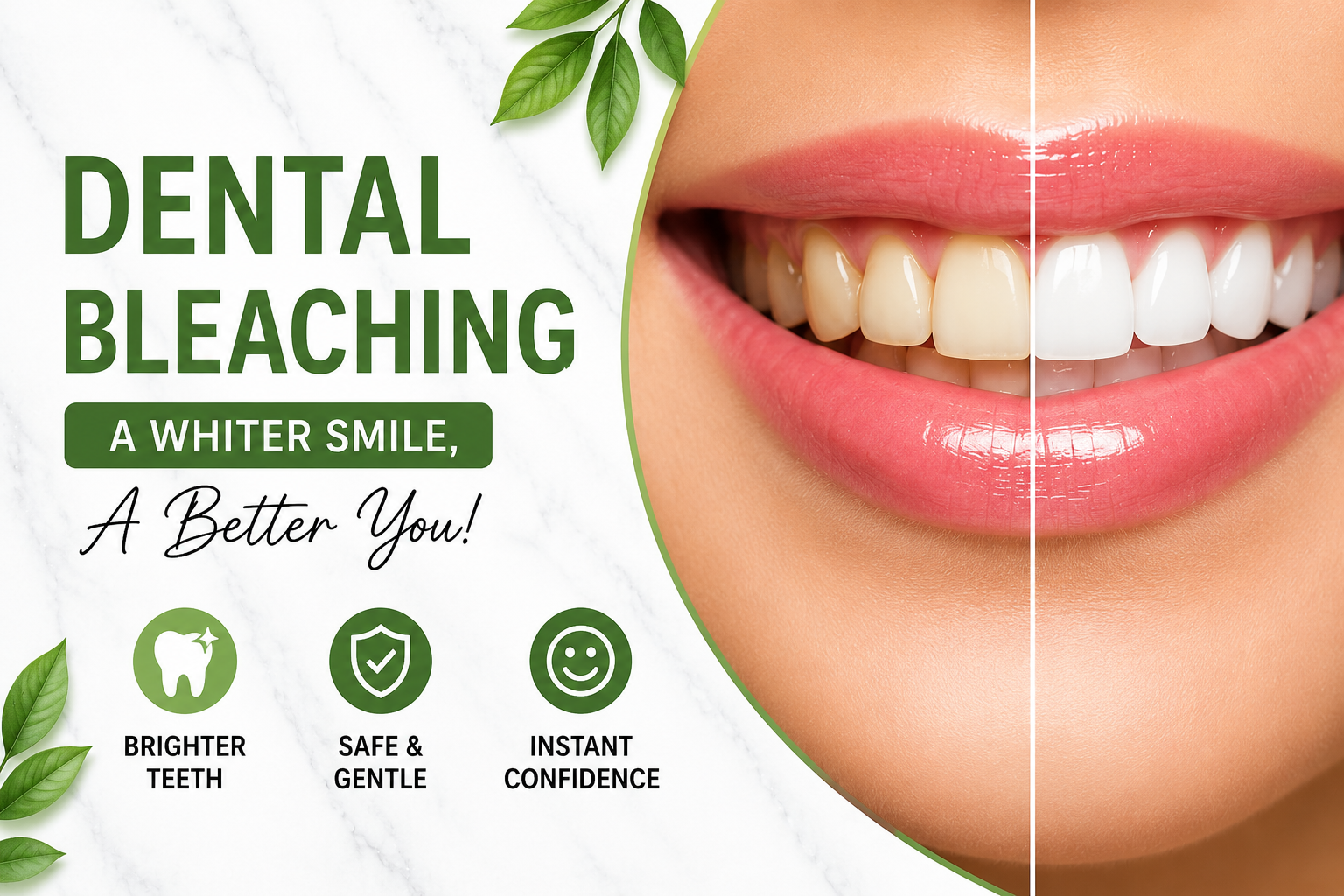
Dental Bleaching: A Safe and Effective Way to Brighten Your Smile Health

Dental Bleaching: A Safe and Effective Way to Brighten Your Smile

Dental Bleaching Dental bleaching is a cosmetic dental procedure that uses bleaching agents, such as hydrogen peroxide or carbamide peroxide, to lighten the natural color of the teeth. Unlike regular teeth whitening products that mainly remove surface stains, dental bleaching can penetrate the enamel and break down deeper stains, resulting in a noticeably brighter smile. Who Can Benefit from Dental Bleaching? • Dental bleaching may be suitable for people who have: • Yellow or stained teeth • Discoloration caused by coffee, tea, or tobacco • Age-related tooth discoloration • Mild intrinsic (internal) stains • Healthy teeth and gums Types of Dental Bleaching 1. In-Office Dental Bleaching This procedure is performed by a dentist using professional-strength bleaching agents. The treatment usually takes about 60–90 minutes and provides quick, noticeable results. 2. Take-Home Bleaching Kits Your dentist may provide custom-made trays and professional bleaching gel for use at home. This option offers gradual whitening over one to two weeks. The Dental Bleaching Procedure • Dental examination to assess oral health. • Professional cleaning to remove plaque and tartar if needed. • Protection of the gums and soft tissues. • Application of the bleaching gel to the teeth. • Activation of the gel if required (depending on the system used). • Removal of the gel and evaluation of the final shade. Benefits of Dental Bleaching • Brightens your smile significantly. • Improves self-confidence. • Removes deep and stubborn stains. • Quick and minimally invasive procedure. • Professional treatment is safe and effective. • Long-lasting results with proper care. Aftercare Tips To maintain your brighter smile: • Avoid coffee, tea, red wine, and colored beverages for 24–48 hours. • Do not smoke or use tobacco products. • Brush twice daily and floss regularly. • Visit your dentist for regular check-ups and professional cleanings. • Follow your dentist's post-treatment instructions. Who Should Avoid Dental Bleaching? Dental bleaching may not be recommended for: • Pregnant or breastfeeding women • Children and teenagers • People with untreated cavities or gum disease • Individuals with severe tooth sensitivity • Patients with extensive dental restorations on front teeth • A dental consultation is essential before undergoing bleaching treatment. Is dental bleaching painful? No. Most patients experience little or no discomfort, although temporary sensitivity may occur. Is dental bleaching safe? Yes. When performed by a qualified dentist, dental bleaching is a safe and effective cosmetic procedure. How can I keep my teeth white after bleaching? Maintain good oral hygiene, avoid staining foods and drinks, stop smoking, and attend regular dental check-ups. Conclusion Dental bleaching is a safe, effective, and popular cosmetic treatment for achieving a brighter smile. Whether you choose an in-office procedure or a dentist-supervised take-home kit, professional dental bleaching can help remove stubborn stains and improve your confidence. Speak with your dentist to determine if dental bleaching is the right choice for you.

Open full blog
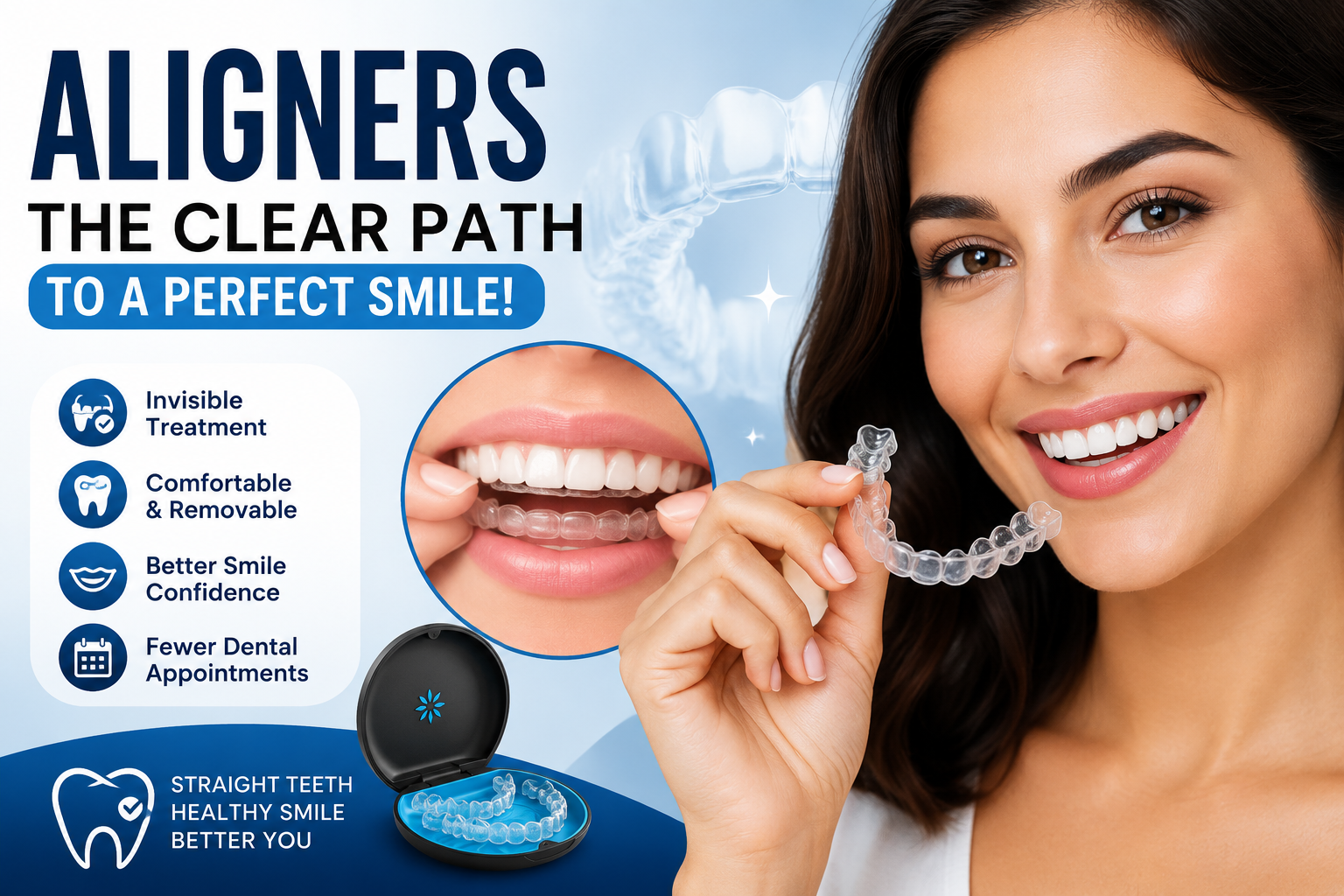
Dental Aligners :“Align your teeth. Elevate your smile.” Health

Dental Aligners :“Align your teeth. Elevate your smile.”

1. What are teeth aligners? Teeth aligners are clear, removable trays custom-made to gradually move your teeth into their desired positions. They are designed using advanced digital technology and are an alternative to traditional braces. 2. How do aligners work?  Aligners apply gentle and controlled pressure to specific teeth. You receive a series of aligner trays, and each set is worn for a specific period before moving to the next one. Over time, your teeth gradually shift into alignment. 3. Who is a good candidate for teeth aligners? Teeth aligners can effectively treat: Crowded teeth Gaps between teeth Mild to moderate overbites Underbites Crossbites Crooked teeth A consultation with an orthodontist or dentist is necessary to determine whether aligners are suitable for your specific case. 4. Are aligners better than traditional braces? Both aligners and braces have their benifits: Benefits of aligners: Nearly invisible appearance Removable during meals Easier oral hygiene maintenance Greater comfort with no metal wires Benefits of braces: Suitable for complex orthodontic cases No risk of forgetting to wear them Often more effective for severe misalignment The best choice depends on your dental condition and treatment goals. 5. How long does aligner treatment take? Treatment duration varies based on the complexity of the case. Most patients complete treatment within 6 to 24 months. Minor corrections may take less time, while more complex cases may require longer treatment. 6. How many hours per day should aligners be worn? For optimal results, aligners should be worn for approximately 20 to 22 hours per day. They should only be removed while eating, drinking anything other than water, and cleaning your teeth. 7. Are teeth aligners painful? Aligners are generally more comfortable than traditional braces. Some patients experience mild pressure or discomfort when switching to a new set of trays, which usually subsides within a few days. 8. Can I eat while wearing aligners? No. Aligners should be removed before eating or drinking anything other than water. This helps prevent staining, damage, and bacterial buildup. 9. How do I clean my aligners? Rinse them with lukewarm water Brush gently using a soft toothbrush Use aligner cleaning solutions if recommended Avoid hot water, which can warp the trays 10. Will aligners affect my speech? Some people notice a slight lisp when they first start wearing aligners. However, most patients adapt within a few days, and speech returns to normal. 11. Are aligners visible?  Aligners are made from transparent medical-grade plastic, making them much less noticeable than traditional braces. Most people won't notice you're wearing them. 12. How much do teeth aligners cost? The cost of aligner treatment depends on factors such as: Complexity of the case Treatment duration Brand of aligners Location of the dental clinic A dental consultation can provide an accurate estimate based on your specific needs. 13. Do I need regular dental visits during treatment? Yes. Regular check-ups allow your dentist or orthodontist to monitor progress, make adjustments if needed, and ensure your treatment is proceeding as planned. 14. What happens after aligner treatment is completed? After treatment, most patients are required to wear retainers to maintain their new smile and prevent teeth from shifting back to their original positions. 15. Are teeth aligners safe? Yes. When prescribed and monitored by a qualified dental professional, clear aligners are considered a safe and effective orthodontic treatment. Benefits of Choosing Teeth Aligners ✔ Nearly invisible appearance ✔ Comfortable and removable ✔ Easier brushing and flossing ✔ Fewer dietary restrictions ✔ Customized treatment plans ✔ Predictable results through digital planning Conclusion  Teeth aligners have transformed modern orthodontic treatment by offering a discreet,comfortable, and effective way to achieve a straighter smile. Whether you're dealing with crowded teeth, gaps, or mild bite issues, clear aligners may be an excellent solution. The first step is to schedule a consultation with a qualified dental professional who can evaluate your teeth and recommend the most suitable treatment plan for your smile goals.

Open full blog
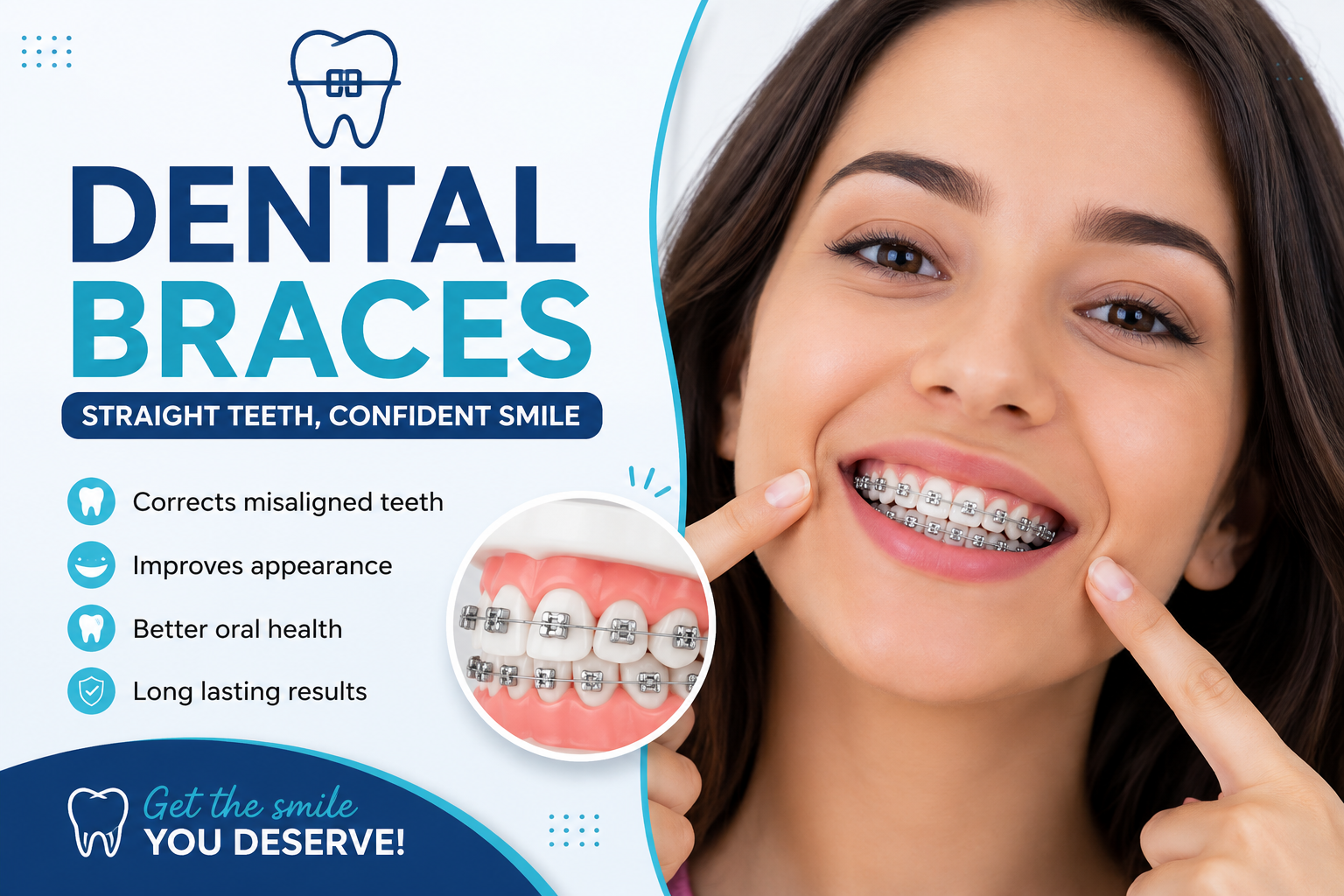
Dental Braces: Health

Dental Braces:

Frequently Asked Questions (FAQ) 1. What are tooth braces? Teeth braces are orthodontic appliances used to straighten crooked teeth, correct bite problems, and improve the alignment of your teeth and jaws. They help create a healthier, more attractive smile. 2. Who needs braces? • Braces may be recommended for people with: • Crooked or crowded teeth • Gaps between teeth • Overbite • Underbite • Crossbite • Open bite • Jaw alignment problems 3. At what age can someone get braces? Braces can be used for both children and adults. Orthodontic evaluation is usually recommended around the age of 7, but treatment can begin whenever it is appropriate. 4. What types of braces are available? • Common types of braces include: • Metal braces • Ceramic braces • Self-ligating braces • Lingual braces (placed behind the teeth) • Clear aligners 5. How long does braces treatment take? Treatment usually takes 12 to 24 months, but the exact duration depends on the complexity of the case. 6. Is getting braces painful? Braces are not painful during placement. However, mild soreness or discomfort is common for a few days after they are fitted or adjusted. 7. What foods should I avoid while wearing braces? • Hard candies • Popcorn • Ice cubes • Nuts • Sticky sweets • Chewing gum • Very hard foods • These foods can damage the braces. 8. How do I clean my teeth with braces? Brush after every meal using a soft-bristled toothbrush and fluoride toothpaste. Clean between the braces with an interdental brush or floss designed for braces. 9. How often do I need to visit the orthodontist? Most patients need check-ups every few weeks for adjustments and to monitor progress. 10. Can adults wear braces? Yes. Adults can successfully undergo braces treatment to improve their smile, bite, and oral health. 11. What happens after braces are removed? After treatment, you will need to wear a retainer to keep your teeth in their new position and prevent them from shifting. 12. What are the benefits of braces? • Straighter teeth • Improved smile and confidence • Better chewing and speech • Easier cleaning of teeth • Reduced risk of tooth decay and gum disease • Improved bite function Conclusion Teeth braces are an effective way to achieve a healthy, beautiful smile. Whether you're a child, teenager, or adult, orthodontic treatment can improve both your appearance and your oral health. If you have crooked teeth or bite problems, consult your dentist or orthodontist to find the best treatment option for you.

Open full blog
Root Canal Treatment - FAQ Health

Root Canal Treatment - FAQ

Frequently Asked Questions About Root Canal Treatment 1. What is a root canal? A root canal is a dental procedure that removes infected or damaged pulp (the soft tissue inside the tooth containing nerves and blood vessels), cleans the inner canals, and seals the tooth to prevent further infection. 2. Why do I need a root canal? You may need one if you have a deeply decayed tooth, a cracked or chipped tooth, repeated dental procedures on the same tooth, or a dental abscess — all of which can allow bacteria to infect the pulp. 3. Is a root canal painful? Modern root canals are performed under local anesthesia and are generally no more painful than getting a filling. Most patients report that the procedure itself is relatively comfortable; any discomfort is usually mild and temporary afterward. 4. What are the signs I might need a root canal? Common signs include severe toothache, prolonged sensitivity to hot or cold, darkening of the tooth, swollen or tender gums, and a persistent pimple-like bump on the gums. 5. How long does the procedure take? A root canal typically takes 1–2 appointments, each lasting 60–90 minutes, depending on the complexity and which tooth is involved (molars have more canals and take longer). 6. What happens after the procedure? After treatment, a crown or permanent filling is usually placed to protect the tooth. Mild soreness for a few days is normal and can be managed with over-the-counter pain relievers. 7. How long do root canal-treated teeth last? With proper care — regular brushing, flossing, and dental check-ups — a treated tooth can last a lifetime. 8. Is extraction better than a root canal? In most cases, saving your natural tooth with a root canal is preferable to extraction. Missing teeth can lead to shifting teeth, bone loss, and chewing difficulties. Implants or bridges to replace extracted teeth are also more costly. 9. Are there alternatives to a root canal? The main alternative is tooth extraction. In very early stages of infection, antibiotics may temporarily manage symptoms, but they cannot eliminate the source of infection within the tooth — a root canal or extraction is ultimately required. 10. Is a root canal safe? Yes, it is a very safe and routine procedure performed millions of times a year. Old myths linking root canals to illness have been thoroughly debunked by modern research. 11. How much does a root canal cost? Costs vary depending on the tooth and location. 12. What are the risks if I delay treatment? Delaying treatment can allow the infection to spread to surrounding teeth, jawbone, and even other parts of the body, potentially leading to a dental abscess or serious systemic infection. Written and approved by Dr. Navaneethakrishnan BDS., Dr. Karthikeyan MBBS.,

Open full blog
FAQ

Frequently Asked Questions

Common questions about Krishna Smile Care in Opposite to HDFC Bank

Hospital Guide

About Krishna Smile Care

Explore More
All Hospitals Hospitals in Opposite to HDFC Bank Hospitals near 1/23 Thiruvalluvar Salai Book Appointment
Other Hospitals on MediBook
RIYA CLINIC Meera Dental Clinic Velan Dental Care Bari Hospital Tarun Hospital KEERTHI DENTAL CLINIC CS Nila Hospital MJ Dental Care
Quick Booking

Ready to Book Your Appointment?

Get connected with our specialists in minutes — no waiting, no hassle.

Book an Appointment Now Chat on WhatsApp Call Now
Instant Confirmation Secure & Private Free Cancellation